
Ulnar Nerve Injury Treatment
Whether you’re an athlete, desk-based professional, or anyone facing persistent arm tingling or weakness, don’t ignore these signs. Early attention to ulnar nerve injury makes all the difference for a quicker, better recovery.
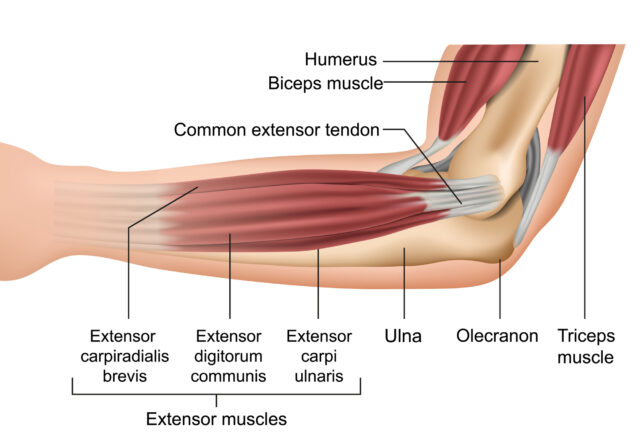
What Is Ulnar Nerve Injury?
Ulnar nerve injury refers to irritation, compression, or damage to the ulnar nerve — one of the major nerves of the arm. It typically affects areas around the elbow, wrist, and hand. You may have heard people describe a tingling sensation when hitting their “funny bone”; that’s actually the ulnar nerve being triggered.
Early identification and proper management are essential because ongoing nerve compression can lead to lasting weakness or numbness in the affected areas.
Why Do People Experience Ulnar Nerve Injury?
Many daily and sporting activities can place pressure on the ulnar nerve. For example, cyclists and tennis players often experience symptoms due to repetitive arm positions or sudden impacts. Office workers leaning on their elbows for prolonged periods can also be at risk.
Additionally, certain occupations requiring frequent arm bending or hand use — such as plumbers, mechanics, or musicians — might lead to irritation or compression of the ulnar nerve over time.
What Causes Ulnar Nerve Injury?
Several factors contribute to ulnar nerve problems. Here are the most common causes:
- Prolonged Elbow Flexion: Keeping your elbow bent for extended periods, such as when sleeping or using a phone.
- Repetitive Strain: Sports like golf or tennis and jobs requiring repetitive wrist or elbow motion.
- Direct Trauma: A hard knock to the inner elbow can irritate the nerve.
- Bone Spurs or Joint Changes: Arthritis or bone overgrowth can press against the nerve.
- Cysts or Soft Tissue Growth: These can narrow the nerve’s pathway, causing pressure and irritation.
What Are the Common Symptoms of Ulnar Nerve Injury?
Recognising symptoms early allows for prompt management. The following signs often appear when the ulnar nerve is affected:
- Tingling or numbness in the ring and little fingers.
- Weak grip strength.
- Difficulty with finger coordination, especially in fine movements.
- Aching pain at the inner elbow or wrist.
- Hand muscle wasting in severe or prolonged cases.
Symptoms may worsen when bending the elbow, leaning on it, or keeping the arm in the same position for long durations.
How Do You Relieve Ulnar Nerve Injury?
Fortunately, most ulnar nerve injuries can improve with early, non-surgical care. At Dr Dinesh Clinic in Singapore, we adopt a personalised, evidence-based approach to help manage nerve discomfort and promote healing.
Common Non-Surgical Management Includes:
- Activity Modification: Adjusting daily habits and work postures to reduce strain on the nerve.
- Arm Splints or Supports: Especially at night to prevent prolonged elbow flexion.
- Targeted Rehabilitation: Exercises to strengthen surrounding muscles and improve flexibility.
- Anti-Inflammatory Medication: To reduce swelling around the nerve.
- Ultrasound-Guided Injections: In suitable cases, to ease inflammation and relieve symptoms and release the nerve in situations where has become compressed.
Early intervention is key because it helps prevent long-term nerve damage and hand weakness.
When Should You See a Doctor?
If tingling, numbness, or weakness persists for more than a few days or worsens over time, it’s best to consult a specialist. Prompt evaluation can help identify the severity and tailor a treatment plan that suits your lifestyle and activities.
FAQ: Frequently Asked Questions About Ulnar Nerve Injury
What is an ulnar nerve injury?
An ulnar nerve injury refers to irritation or compression of the ulnar nerve, which runs along the inner side of the elbow. It can affect sensation and movement in the forearm, hand, and fingers.
How painful is ulnar nerve injury?
Pain levels can vary. Some individuals may experience mild discomfort, while others may notice sharp pain, tingling, or numbness along the inner elbow, forearm, or into the ring and little fingers.
What are common concerns with ulnar nerve injury?
Common concerns include:
- Numbness or tingling in the fingers
- Weak grip strength
- Difficulty with fine hand movements
- Symptoms worsening with prolonged elbow bending
How is ulnar nerve injury assessed?
Ulnar nerve injury is usually assessed through a clinical evaluation, including symptom discussion and physical examination. In some cases, imaging or nerve studies may be considered to better understand the condition.
Can ulnar nerve injury improve without surgery?
Many cases can be managed with non-surgical care. This may include activity modification, positioning advice, and structured rehabilitation based on clinical findings.
What treatment options are available for ulnar nerve injury?
Management options may include:
- Activity and posture modification
- Physiotherapy and nerve gliding exercises
- Supportive bracing (especially at night)
- Ultrasound-guided procedures (when appropriate)
Treatment plans are tailored based on individual needs and symptoms.
How many treatment sessions are usually needed?
The number of sessions can vary depending on the severity of the condition and response to treatment. Some individuals may require only a few sessions, while others may benefit from a longer course of guided rehabilitation.
Are there any side effects from treatment?
Most non-surgical treatments are generally well tolerated. Some individuals may experience temporary soreness or discomfort after certain procedures or exercises. A healthcare professional can provide guidance on what to expect.
