
What Is Runners Knee?
Runners Knee, also known as patellofemoral pain syndrome, is a common condition that affects people of all fitness levels — not just runners. It refers to pain around the front of the knee, often caused by irritation where the kneecap (patella) meets the thigh bone (femur).
Although it’s frequently experienced by runners, this condition can also affect cyclists, hikers, and anyone engaged in activities that involve repetitive knee movement.
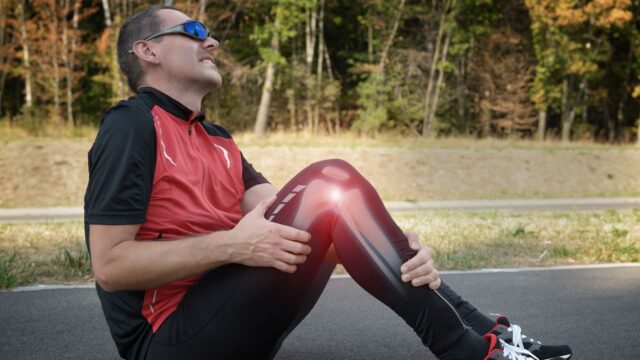
Identifying the problem early and managing it with the right care can make a significant difference in your comfort and mobility. Moreover, delaying treatment can sometimes lead to longer recovery times.
Why Do People Experience Runners Knee?
The knee is a complex joint that handles a tremendous amount of stress during walking, running, and jumping. Whenever the kneecap moves out of its natural alignment, or the surrounding muscles are weak, excess pressure builds on the joint.
As a result, individuals who frequently engage in sports like running, football, basketball, or even regular climbing stairs, are at greater risk. Likewise, people who have flat feet or improper running form can also experience runner’s knee.
Interestingly, it’s not just athletes who face this issue. Office workers sitting for extended hours with bent knees or individuals kneeling frequently for work may also develop this type of knee pain.
What Causes Runners Knee?
Runner’s Knee can occur due to several factors. Recognising these causes can help you avoid aggravating the condition:
- Overuse: Repetitive stress from activities like running, cycling, and squatting can irritate the knee joint.
- Muscle Imbalance: Weak thigh or hip muscles may cause poor kneecap alignment.
- Improper Foot Mechanics: Flat feet or poorly fitted footwear can increase strain on the knee.
- Sudden Increase in Activity: Quickly ramping up the intensity or duration of your workouts.
- Direct Injury: A fall or knock to the kneecap can trigger symptoms.
Keeping these causes in mind can help you adjust your lifestyle and activity habits to protect your knees.
What Are the Common Symptoms of Runner’s Knee?
The signs of Runner’s Knee often develop gradually. You might first notice a dull ache in the front of the knee, which becomes more noticeable during certain activities. Common symptoms include:
- Pain around or behind the kneecap, especially when walking upstairs, squatting, or running.
- A grinding or clicking sensation when moving the knee.
- Discomfort after sitting for long periods with bent knees.
- Swelling around the knee in some cases.
If these symptoms persist for more than a few days or interfere with your routine, it’s advisable to seek medical attention promptly.
How Do You Relieve Runner’s Knee?
The good news is that most cases of Runner’s Knee can be effectively managed without surgery. We adopt a personalised and evidence-based approach tailored to each individual’s needs.
Non-Surgical Management Options:
- Activity Modification: Reducing or avoiding activities that trigger pain while staying active in other safe ways.
- Stretching and Strengthening Exercises: Focused exercises to improve flexibility and strengthen muscles supporting the knee.
- Footwear Advice: Ensuring the use of more suitable shoes or considering orthotics to correct flat feet.
- Manual Therapy: Soft tissue techniques and joint mobilisation to improve movement and relieve discomfort.
- Anti-Inflammatory Medications: Short-term use to reduce pain and swelling.
- Ultrasound-Guided Injections: In selected cases, to ease inflammation and promote healing.
