
Understanding TFCC Injuries
The Triangular Fibrocartilage Complex (TFCC) a small yet vital structure located on the ulnar (pinky) side of your wrist. It acts as a cushion and stabilizer between the small bones of the wrist and the end of the ulna bone. When this structure gets injured, it can lead to pain, weakness, and reduced function in the wrist.
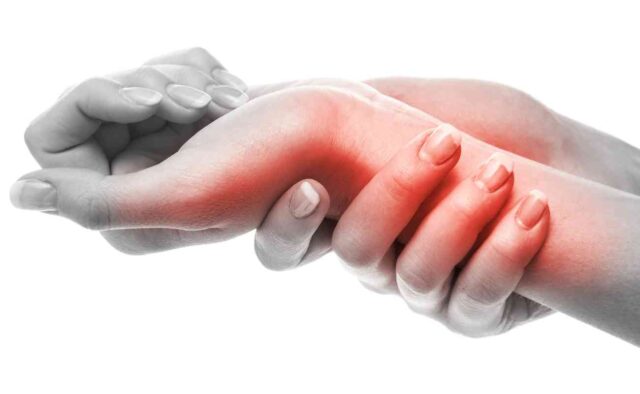
TFCC injuries are common among athletes, manual workers, and individuals who experience falls or repetitive wrist strain.
Why Do People Experience TFCC Injuries?
The wrist is a highly mobile joint, and the TFCC helps it move smoothly. However, sports involving strong wrist rotation—such as tennis, golf, and gymnastics—can put excessive strain on it. TFCC injuries also occur from sudden trauma, like falling on an outstretched hand, or from repetitive twisting movements at work or during hobbies.
Examples of TFCC include:
- A tennis player feeling sharp pain during backhand strokes.
- A construction worker developing persistent wrist ache after repetitive drilling.
- A fall during cycling, causing sudden swelling and tenderness on the outer side of the wrist.
What Causes TFCC Injuries and What Are the Symptoms?
Causes
- Acute Trauma – Direct injury from falls or accidents.
- Repetitive Strain – Overuse in sports or manual work.
- Degenerative Changes – Natural wear and tear with age.
- Sudden Wrist Rotation – Forceful twisting motions during activities.
Common Symptoms
- Pain on the ulnar (pinky) side of the wrist.
- Clicking or popping sounds when moving the wrist.
- Weak grip strength.
- Swelling or tenderness around the wrist joint.
- Reduced range of motion, especially during rotation.
How Do You Relieve TFCC Injuries?
Common relief and management methods include:
- Rest & Immobilisation – Limiting wrist movement with a splint or brace.
- Ice Therapy – Reducing swelling and inflammation.
- Targeted Exercises – Restoring strength and flexibility under guided care.
- Medication for Pain Relief – When needed and appropriate.
- Image-Guided Injections – For certain cases where inflammation is severe.
