

Tennis Elbow Treatment
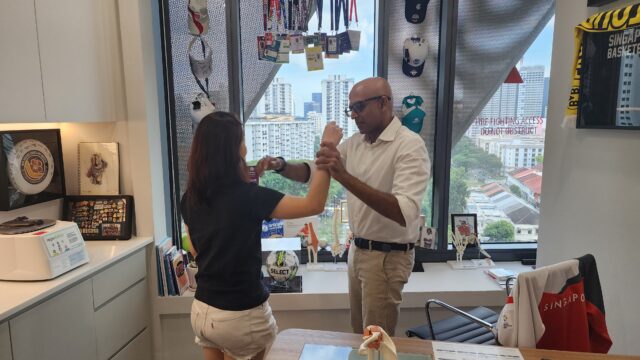
Common condition for Tennis elbow affects people who repeatedly use their forearm muscles. It often causes pain and tenderness on the outer part of the elbow, making daily tasks difficult.
What is Tennis Elbow?
A Tennis elbow, or lateral epicondylitis, a painful condition caused by overuse of the forearm muscles. Although it’s named after a sport, anyone who performs repetitive arm, elbow, or wrist movements can develop it. Simple activities like typing, lifting, gardening can strain the tendons around the elbow.
It results from tiny tears in the tendon fibres, leading to pain and inflammation. Discomfort usually worsens when gripping objects, lifting items, or twisting the forearm.
Why Do People Experience Tennis Elbow?
While this condition is famously associated with tennis players, it affects a wide range of people in different occupations and hobbies. Individuals in manual jobs like carpentry, plumbing, painting, and chefs commonly develop tennis elbow due to frequent arm and wrist movements.
People who engage in activities like badminton, squash, or golf may also experience this issue. Additionally, repetitive computer use or frequent lifting of heavy objects can lead to similar strain on the tendons. It’s essential to recognise the early signs and address them promptly.
Common areas affected include:
- Outer part of the elbow (most typical)
- Forearm muscles and tendons
- Grip strength in the hand and wrist
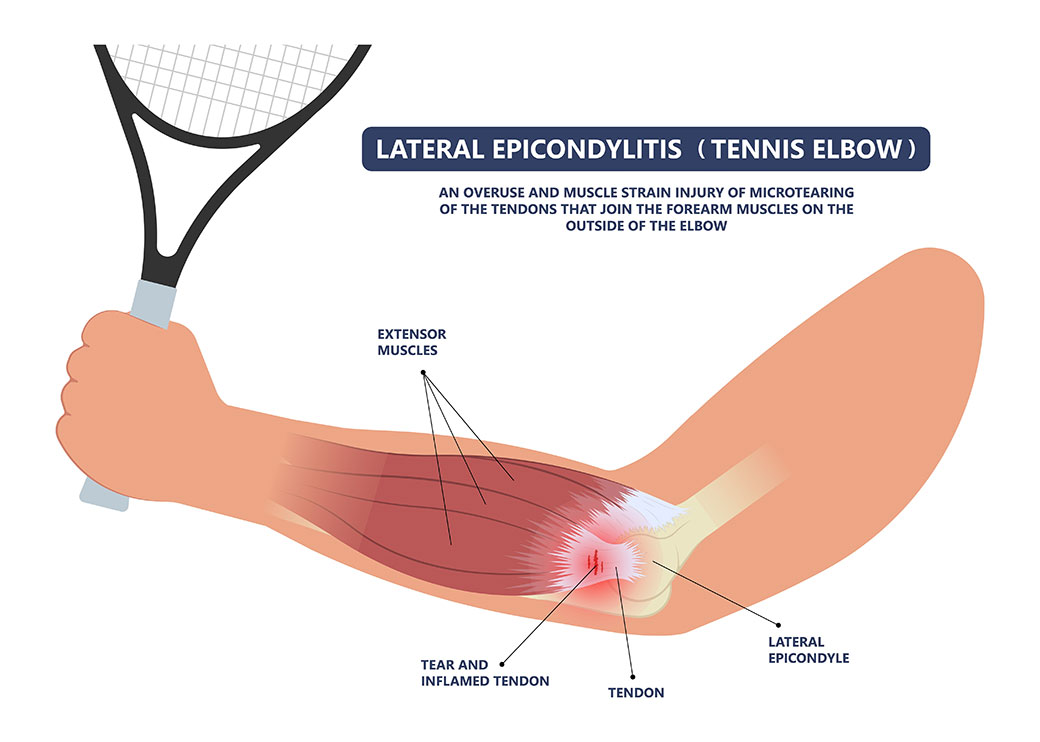
What Causes Tennis Elbow, and What Are the Symptoms?
The Causes:
- Overuse of the forearm muscles
- Repetitive wrist and arm motions
- Tendon strain from sports or occupational tasks
- Poor technique in racquet sports or manual work
- Sudden increase in activity intensity
It’s worth noting that tennis elbow doesn’t usually occur overnight. Strain on tendons builds gradually, symptoms often appear after weeks or even months of repetitive movement.
Common Symptoms:
- Pain or burning sensation on the outer elbow
- Weak grip strength
- Stiffness in the elbow joint
- Difficulty in lifting or holding objects
- Discomfort that worsens with wrist movements
Discomfort may radiate from the elbow down the forearm and even affect the wrist in more severe cases.
How Do You Relieve Tennis Elbow?
Available Treatment Options:
✅ Targeted Rest and Activity Modification: Resting the affected arm and adjusting movement patterns to reduce strain.
✅ Medical Interventions: Anti-inflammatory medications may be prescribed to help manage pain.
✅ Ultrasound-Guided Injections: This precise technique helps deliver medication directly to the inflamed tendon area.
✅ Platelet-Rich Plasma (PRP) Therapy: A regenerative approach using the patient’s own blood components to aid tendon healing, applied in line with local medical regulations.
Tenex therapy: A minimally invasive procedure that helps with healing
✅ Structured Rehabilitation Programmes: Custom exercises to strengthen the forearm muscles and improve flexibility.
✅ Supportive Bracing: A forearm strap or elbow brace can help reduce pressure on the tendon.
FAQ: Frequently Asked Questions About Tennis Elbow
What is tennis elbow?
Tennis elbow, also known as lateral epicondylitis, is a condition involving pain on the outer part of the elbow. It commonly related to overuse of the forearm muscles and tendons.
Tennis Elbow causes?
It often associated with repetitive hand or wrist movements, such as gripping, lifting, typing, or sports activities like tennis. It may also develop from work related overuse or strain.
Common symptoms?
Common symptoms may include pain on the outer elbow, tenderness, weaker grip strength, and discomfort when lifting objects or extending the wrist.
Only caused by playing tennis?
No. Although it called tennis elbow, the condition may also occur in individuals who perform repetitive arm movements, including office work, manual labour, or other sports activities.
How to checked?
Tennis elbow usually checked through a physical examination and discussion about daily activities. In some cases, imaging such as ultrasound or MRI may be used to better understand the condition.
What non surgical options may be discussed?
Depending on clinical findings, options that may be discussed include activity modification, physiotherapy, strengthening exercises, bracing, and other non surgical approaches to support recovery.
Can this affect daily activities?
Yes. it affect gripping, lifting, and everyday arm movements, which make tasks such as carrying items, typing, or using tools more difficult.
When should someone consider a medical evaluation?
Medical evaluation may be considered when elbow pain persists, worsens, or affects daily activities despite rest or basic self care measures.
