

Ankle Tendon Overload: Causes, Symptoms
What Is Ankle Tendon Overload?
Ankle tendon overload is a common condition affecting both athletes and individuals who spend long hours on their feet. It occurs when the tendons around the ankle joint experience excessive strain, often due to repetitive movements or sudden increases in physical activity. These tendons, which include the peroneal, tibialis posterior, and Achilles tendons, play a vital role in supporting ankle stability and movement.

Why Do People Experience Ankle Tendon Overload?
Ankle tendon overloading can affect anyone, although certain groups are more susceptible. Athletes involved in running, jumping, or pivoting sports face a higher risk due to repetitive strain. Similarly, individuals with jobs that require prolonged standing or walking, such as retail workers or healthcare professionals, frequently report symptoms.
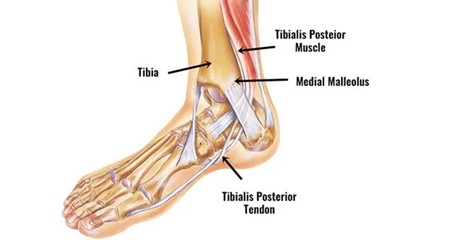
Common areas affected by ankle tendon overload include:
- The outer side of the ankle, involving the peroneal tendons
- The inner side of the ankle, affecting the tibialis posterior tendon
- The back of the ankle, commonly involving the Achilles tendon
Understanding which tendons are overloaded helps guide appropriate treatment and prevent further complications.
What Causes Ankle Tendon Overload, and What Are the Symptoms?
Several contributing factors lead to ankle tendon overloading. Recognising these early allows individuals to take proactive steps to avoid further injury. Some of the most frequent causes include:
- Overuse from repetitive activities: Activities such as long-distance running, hiking, or high-impact sports can strain tendons over time.
- Sudden increase in activity levels: Rapidly increasing training intensity without proper conditioning often triggers overload.
- Improper footwear: Wearing unsupportive or worn-out shoes can increase tendon strain, especially during exercise.
- Poor biomechanics or foot posture: Flat feet or high arches alter weight distribution, placing additional stress on ankle tendons.
- Previous ankle injuries: A history of sprains or strains may weaken tendons, making them more vulnerable to overload.
Common Symptoms of Ankle Tendon Overload:
Identifying the symptoms early makes it easier to manage and prevent long-term problems. Typical signs include:
- Persistent pain around the ankle during or after activity
- Tenderness along the affected tendon
- Swelling or mild warmth over the area
- Stiffness or tightness, particularly in the morning
- A feeling of instability in the ankle joint
If symptoms persist despite rest and home care, it’s advisable to seek medical attention for a comprehensive assessment.
How Do You Relieve Ankle Tendon Overloading?
Recommended Treatment Approaches:
- Activity Modification
Initially, reducing or temporarily halting high-impact or repetitive movements can prevent further tendon strain. - Footwear Assessment and Orthotic Support
Wearing supportive, cushioned shoes with appropriate arch support reduces tendon overload. Custom orthotic insoles may also help redistribute pressure and improve foot posture. - Stretching and Strengthening Exercises
Specific exercises targeting the calf muscles, Achilles tendon, and ankle stabilisers improve flexibility and reduce stress on overloaded tendons. - Cold Therapy and Elevation
Applying ice packs and elevating the ankle can effectively manage swelling and relieve discomfort after activity. - Ultrasound-Guided Injections
In cases where conservative treatments are insufficient, ultrasound-guided interventions such as corticosteroid or hyaluronic acid injections may be considered, following established clinical guidelines. - Physical Therapy
A tailored rehabilitation plan enhances strength, stability, and mobility while preventing recurrence. - Shockwave Therapy
For chronic cases, non-invasive shockwave therapy may be recommended to stimulate tissue healing.
