
Achilles Tendon Pain: Causes, Symptoms
What Is Achilles Tendon Pain?
Achilles tendon pain a condition that affects both active individuals and those with sedentary lifestyles. The Achilles tendon, located at the back of the lower leg, connects the calf muscles to the heel bone. It plays a vital role in walking, running, and jumping. When this tendon becomes irritated or injured, it can lead to discomfort, stiffness, and restricted movement. Early diagnosis and proper care can help prevent long-term complications.
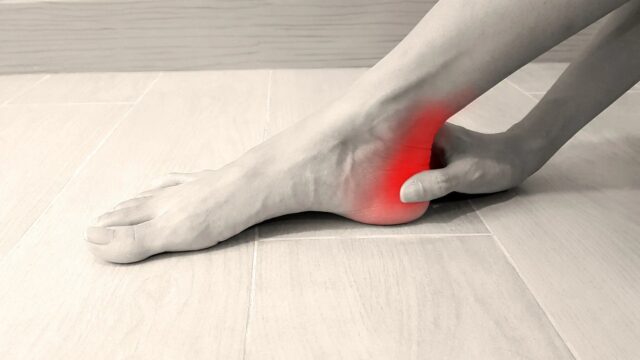
Why Do People Experience Achilles Tendon Pain?
Achilles tendon can affect people from various age groups and activity levels. While athletes commonly encounter this issue, it also affects individuals who are not regularly active. Some typical scenarios include runners increasing their mileage too quickly, people wearing unsupportive footwear, or those standing for prolonged periods on hard surfaces.
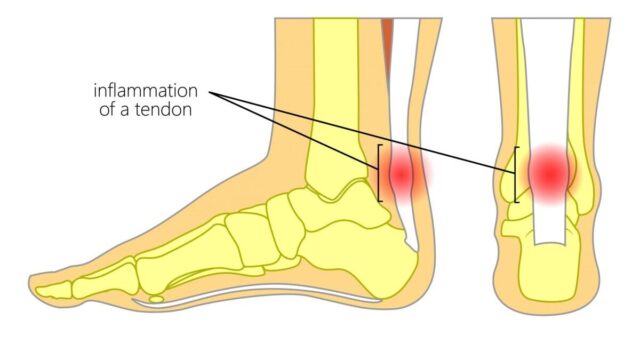
The most common areas for Achilles tendon pain include:
- Mid-portion of the tendon: Located a few centimeters above the heel bone.
- Insertional area: Where the tendon attaches to the heel bone.
Both areas can become irritated due to overuse, poor biomechanics, or external factors.
What Causes Achilles Tendon Pain?
Understanding the causes of Achilles tendon is essential for effective prevention and treatment. Several factors can contribute to the development of this condition:
- Sudden Increase in Physical Activity: Rapidly raising training intensity or frequency often leads to tendon overstrain.
- Improper Footwear: Wearing shoes without adequate heel support places additional stress on the tendon.
- Poor Running Technique: Incorrect gait can result in uneven pressure on the lower limbs.
- Tight Calf Muscles: Reduced flexibility can strain the Achilles tendon during activity.
- Previous Ankle or Foot Injuries: Prior trauma may lead to biomechanical imbalances, increasing tendon stress.
- Age-Related Changes: As tendons lose elasticity with age, they become more prone to irritation.
Common Symptoms of Achilles Tendon Pain
Recognising the signs of Achilles tendon pain early helps promote faster recovery. Symptoms can range from mild to severe and typically include:
- Dull or sharp pain at the back of the heel or lower leg
- Stiffness, especially in the morning or after periods of rest
- Swelling along the tendon or near the heel
- Tenderness when touched or squeezed
- Pain that worsens with activity and improves with rest
- Limited range of motion in the ankle
In some cases, a noticeable thickening of the tendon or a creaking sensation during movement may also occur.
How Do You Relieve Achilles Tendon Pain?
Recommended Treatment Approaches:
- Rest and Activity Modification
Initially, reducing weight-bearing activities like running or jumping can alleviate strain. - Ice Therapy
Applying ice packs for 10-15 minutes several times a day helps reduce pain and swelling. - Clinical Assessment
A thorough examination, sometimes supported by ultrasound imaging, ensures an accurate diagnosis and appropriate care. - Stretching and Strengthening Exercises
Gentle calf stretches and progressive strengthening exercises improve flexibility and tendon resilience. - Footwear Adjustments
Switching to supportive shoes or adding heel lifts can decrease tendon stress during recovery. - Ultrasound-Guided Injections
In persistent cases, ultrasound-guided treatments like regenerative medicine injections or TENEX therapy may be recommended, always adhering to established clinical guidelines. - Gradual Return to Activity
A structured plan allows for a safe, step-by-step return to sports or regular physical activities.
