
Understanding Hip Pain
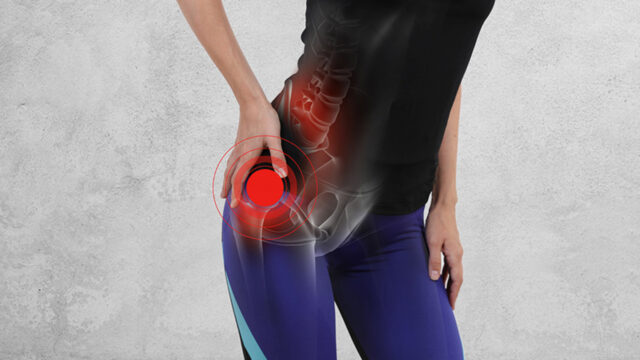
Hip pain a common condition that can affect people of all ages, from athletes to office workers. Because the hips carry the body’s weight and support movement, even mild discomfort can interfere with daily life.
Why Do People Experience Hip Pain?
People may experience pain for several reasons, often related to lifestyle, activity level, or age. For example, long-distance runners may develop hip discomfort from repetitive stress. On the other hand, individuals with sedentary jobs may feel stiffness from prolonged sitting.
Common examples of pain include:
- Groin pain that worsens during walking or climbing stairs.
- Hip joint stiffness that limits range of motion.
- Outer hip pain often linked to muscle or tendon irritation.
- Pain radiating to the thigh or buttock from hip-related conditions.
Because hip pain can take many forms, seeking medical advice helps ensure the right approach is taken.
What Causes Hip Pain and What Are the Symptoms?
Causes:
Hip joint pain can result from different sources. Some of the most common include:
- Sports injuries such as muscle strains or labral tears.
- Overuse injuries from repetitive activities like running or cycling.
- Poor posture that places extra stress on the hips.
- Arthritis and age-related changes in the hip joint.
- Imbalances or weakness in supporting muscles.
Common Symptoms:
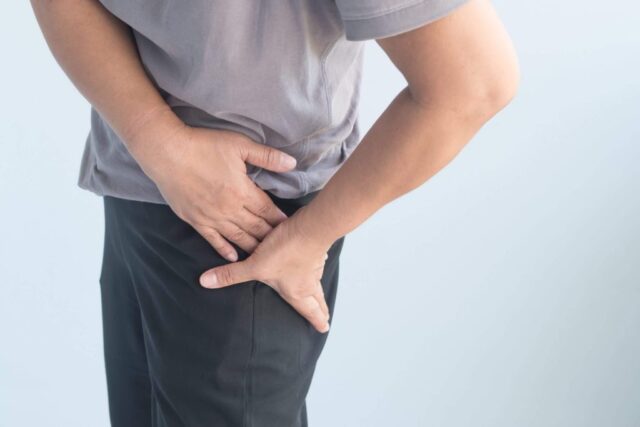
Hip joint pain symptoms may vary depending on the cause. However, some of the most reported include:
- Dull aching in the hip or groin.
- Sharp pain with movement, especially twisting or turning.
- Stiffness that makes it hard to bend or stretch.
- Swelling or tenderness around the joint.
- Discomfort when lying on the affected side.
- Night pain
Because symptoms can overlap with other conditions, an assessment is important.
How Do You Relieve Hip Pain?
Relieving pain often involves a combination of rest, guided rehabilitation, and lifestyle changes. Safe, non-surgical methods are usually effective, especially when started early.
Some common approaches include:
- Rest and activity modification to allow the hip joint to recover.
- Physical therapy with tailored exercises to strengthen supporting muscles.
- Posture correction and ergonomic adjustments to reduce daily strain.
- Footwear and support devices that help balance and alignment.
- Non-surgical medical treatments such as injections, where appropriate, for degenerative conditions and labral tears.
