
Hand & Wrist Pain
Hand & wrist pain can affect people of all ages and professions. Whether you type daily on a keyboard, lift heavy objects at work, or play sports that involve gripping, your hands and wrists play an essential role in daily life. When pain, stiffness, or weakness develops, it can significantly impact your ability to work, exercise, or even perform simple tasks like holding a cup.

Why Do People Experience Hand & Wrist Pain?
Hand & wrist pain can be caused by sudden injuries, overuse, or underlying medical conditions. Office workers often experience pain from repetitive typing, while athletes may injure their wrists during sports such as tennis, badminton, or basketball. Older adults may develop stiffness from degenerative joint conditions, while young adults can suffer from sports or work-related strains.
Common examples of hand & wrist conditions include:
- Carpal tunnel syndrome
- Wrist sprains or strains
- Trigger finger
- De Quervain’s tenosynovitis
- Osteoarthritis of the hand or wrist
- Sports-related injuries
What Causes Hand & Wrist Pain?
Several factors can lead to hand & wrist discomfort:
- Overuse and repetitive strain – typing, using mobile devices, or manual work
- Sports injuries – falls, direct impact, or excessive twisting of the wrist
- Arthritis – inflammation of the joints leading to pain and stiffness
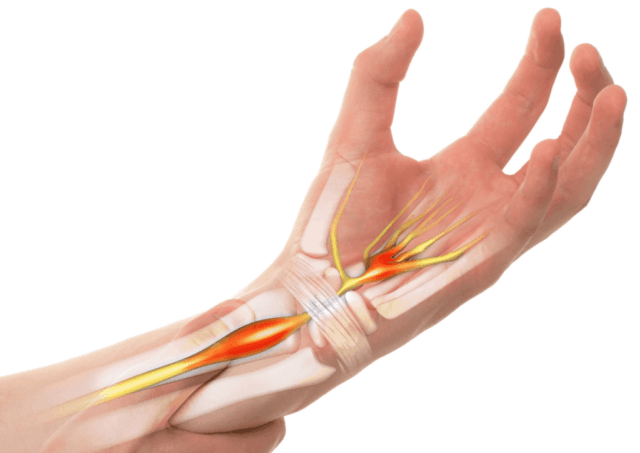
- Nerve compression – conditions like carpal tunnel syndrome
- Fractures and dislocations – from falls or accidents
What Are the Common Symptoms?
If you have a hand or wrist condition, you may notice:
- Persistent pain, aching, or throbbing
- Swelling around the wrist or fingers
- Stiffness and reduced range of motion
- Tingling, numbness, or “pins and needles” sensation
- Weak grip or difficulty holding objects
If pain continues for more than a few days, or if swelling and weakness worsen, seek medical advice promptly.
How Do You Relieve Hand & Wrist Pain?
Our treatment approaches include:
- Rest and activity modification – reducing repetitive movements
- Bracing or splinting – to support the wrist and promote healing
- Medications – for reducing inflammation and pain (as prescribed)
- Non-surgical orthopaedic procedures – to address underlying issues
- Rehabilitation exercises – to restore strength and mobility
Prompt attention can prevent a minor condition from becoming long-term.
