

Golfers Elbow Treatment
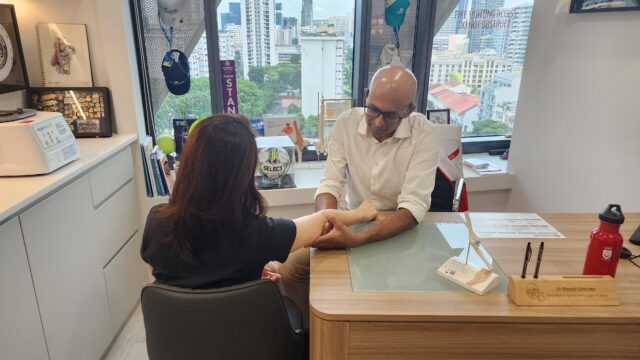
Golfers elbow is a common and treatable condition that can affect both athletes and individuals with repetitive arm movements in their daily routines. While it may start as mild discomfort, ignoring the early signs can lead to prolonged pain and restricted arm function. Fortunately, with timely care and the right non-surgical treatment approach, most people experience significant relief and a return to their regular activities.
What is Golfer’s Elbow?
Golfer’s Elbow, also known as medial epicondylitis, is a condition that causes pain and tenderness on the inner side of the elbow. Despite the name, this condition doesn’t just affect golfers. Many people involved in activities that require repetitive flexion of the wrist or arm motions, such as tennis players, weightlifters, and even office workers, can experience this issue.
If you’ve noticed discomfort, stiffness, or a weakening grip, especially when performing tasks like lifting, gripping, or shaking hands, you may be dealing with Golfer’s Elbow. Fortunately, early intervention with a sports medicine doctor can help ease the pain and prevent long-term complications.
Why Do People Experience Golfer’s Elbow?
This condition develops when the tendons attached to the inner elbow become irritated or inflamed. Continuous stress or overuse can lead to small tears in these tendons, triggering pain and swelling.
Common areas affected include:
- The inner side of the elbow joint
- The forearm, especially during gripping
- The wrist, when flexing or rotating
While athletes are often prone to Golfer’s Elbow, it’s also common among people who perform repeated hand, wrist, or arm movements in their daily activities or work.
What Causes Golfer’s Elbow, and What Are the Symptoms?
Understanding the causes can help you avoid worsening the condition. Generally, it results from repetitive strain or overloading the forearm muscles.
Primary causes include:
- Sports activities like golf, tennis, and squash
- Weightlifting or strength training
- Manual work in jobs involving tools or machinery
- Office work with prolonged typing or mouse use
Common symptoms of Golfer’s Elbow:
- Pain or tenderness on the inner elbow
- Stiffness in the elbow joint
- Weak grip strength
- Numbness or tingling radiating to the fingers (usually the ring and little finger)
- Discomfort when flexing the wrist or lifting objects
If these symptoms persist for more than a few days or affect daily activities, it’s wise to consult a qualified sports medicine doctor for an assessment.
How Do You Relieve Golfers Elbow?
Effective treatment options include:
- Activity Modification
One of the first steps is identifying and reducing the activities causing the strain. By modifying your routine or adjusting techniques in sports or work, you can prevent further irritation. - Targeted Rehabilitation Exercises
A structured rehabilitation program focusing on stretching and strengthening the forearm muscles helps improve flexibility and tendon resilience. - Supportive Bracing
Wearing a counterforce brace or wrist splint may reduce strain on the tendons and ease discomfort during daily activities. - Medication for Pain Relief
Anti-inflammatory medications can temporarily relieve pain and swelling. However, it’s best to use them under medical supervision. - Non-Surgical Injection Therapies
In selected cases, may suggest ultrasound-guided treatments such as corticosteroid or platelet-rich plasma (PRP) injections, to support recovery and reduce inflammation, or TENEX therapy, to help tissue recover. These are provided within the scope of evidence-based medicine. - Lifestyle and Ergonomic Advice
Making changes to how you work, exercise, or perform daily activities can significantly reduce the risk of recurrence.
FAQ: Frequently Asked Questions About Golfer’s Elbow
What is golfer’s elbow?
Golfer’s elbow, also known as medial epicondylitis, is a common condition that causes pain and tenderness on the inner side of the elbow. It is usually related to overuse of the forearm muscles and tendons.
What causes golfer’s elbow?
Golfer’s elbow is commonly caused by repetitive movements such as gripping, lifting, or wrist flexion. It can occur in sports like golf and tennis, as well as in daily activities or work that involve repeated arm use.
What are the symptoms of golfer’s elbow?
Common symptoms include:
- Pain or tenderness on the inner elbow
- Stiffness in the elbow joint
- Weak grip strength
- Discomfort when lifting or holding objects
- Pain that may extend into the forearm
How is golfer’s elbow diagnosed?
Golfer’s elbow is usually diagnosed through a clinical assessment, including a review of symptoms and a physical examination. In some cases, imaging such as ultrasound or MRI may be used to better understand the condition.
Can golfer’s elbow heal without surgery?
Many cases of golfer’s elbow can be managed with non-surgical care. This may include activity modification, structured rehabilitation exercises, and other supportive treatments recommended by a healthcare professional.
What treatment options are available for golfer’s elbow?
Management options may include:
- Activity modification and rest
- Physiotherapy and strengthening exercises
- Supportive braces or straps
- Ultrasound-guided procedures (when appropriate)
Treatment plans are usually tailored based on the individual’s condition and activity level.
How long does golfer’s elbow take to improve?
Recovery time can vary depending on the severity of the condition and the level of activity. Some individuals may notice improvement over weeks, while others may require a longer period with guided rehabilitation.
When should I seek medical advice for elbow pain?
It may be helpful to seek medical advice if:
- Elbow pain persists despite rest
- Symptoms affect daily activities or sports
- There is ongoing weakness or stiffness
Early assessment can help guide appropriate management and support recovery.
