
Shin Splints – Causes, Symptoms, and Relief Options
What Are Shin Splints?
Shin splints, also known as medial tibial stress syndrome, describe pain felt along the inner aspect of the lower leg. The condition often affects people who engage in repetitive or high-impact activities. Because the pain usually worsens during exercise, many athletes, runners, and even casual joggers notice it when they train more intensely. Shin splint are common, but with timely care, they can be managed effectively.
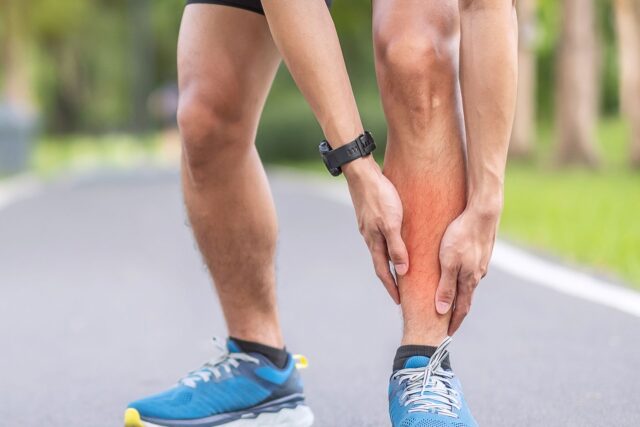
Why Do People Experience Shin Splints?
People experience shin splints when their muscles, tendons, and bone tissue around the shin become overworked. This happens especially when activity levels increase too quickly. For example, runners who suddenly increase their distance or intensity may develop shin splint. Similarly, dancers or military recruits who perform repetitive routines are at higher risk.
However, it is not just athletes. Anyone who spends long hours walking on hard surfaces or wearing unsupportive footwear can also feel shin splint pain. That is why prevention and proper management are important for everyone, not just sports enthusiasts.
Examples of Shin Splints
Shin splint can occur in different ways depending on activity and pressure:
- Running-related shin splint: Pain along the inner side of the shin after long-distance running.
- Jumping-related shin splint: Common in dancers, basketball players, or gym-goers who do repeated jumps.
- Walking-induced shin splint: Seen in people who walk or hike long distances without suitable footwear.
Each example highlights that shin splints are not limited to athletes. They affect anyone whose shin bone experiences repeated stress.
What Causes Shin Splints and What Are the Symptoms?
Shin splint are caused by repeated stress on the shin bone and surrounding tissues. Common contributing factors include:
- Rapid increase in physical activity
- Running on hard or uneven surfaces
- Wearing unsupportive or worn-out shoes
- Flat feet or abnormal walking patterns
- Weak core or lower leg muscles
Since these causes are often preventable, understanding them helps reduce the chance of shin splints returning.
Common Symptoms:
People with shin splint often report:
- Dull, aching pain along the inner part of the shin bone
- Tenderness or soreness when pressing the shin
- Swelling in the lower leg
- Pain that worsens during activity but improves with rest
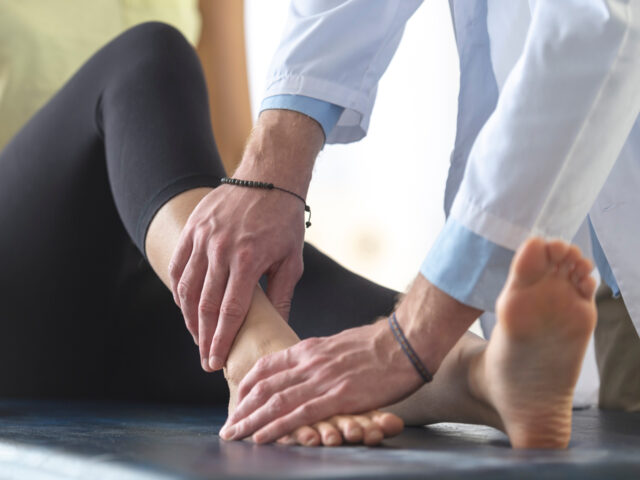
Because these symptoms may overlap with other conditions, professional assessment is recommended for accurate diagnosis.
How Do You Relieve Shin Splints?
It’s important to establish what is the underlying injury in with splints, and this is where a detailed history, physical examination and appropriate investigations are important.
Relief for shin splint usually involves simple, non-invasive methods. Offloading and activity modification the most important step, as it allows the body to recover naturally. Applying ice to the affected area reduces inflammation, while supportive footwear and insoles improve comfort during activity.
Additionally, stretching and strengthening exercises for the calves and lower legs help prevent recurrence. Gradual return to exercise, guided by medical advice, ensures a safe recovery. For persistent pain, structured rehabilitation and medical review may be needed.
