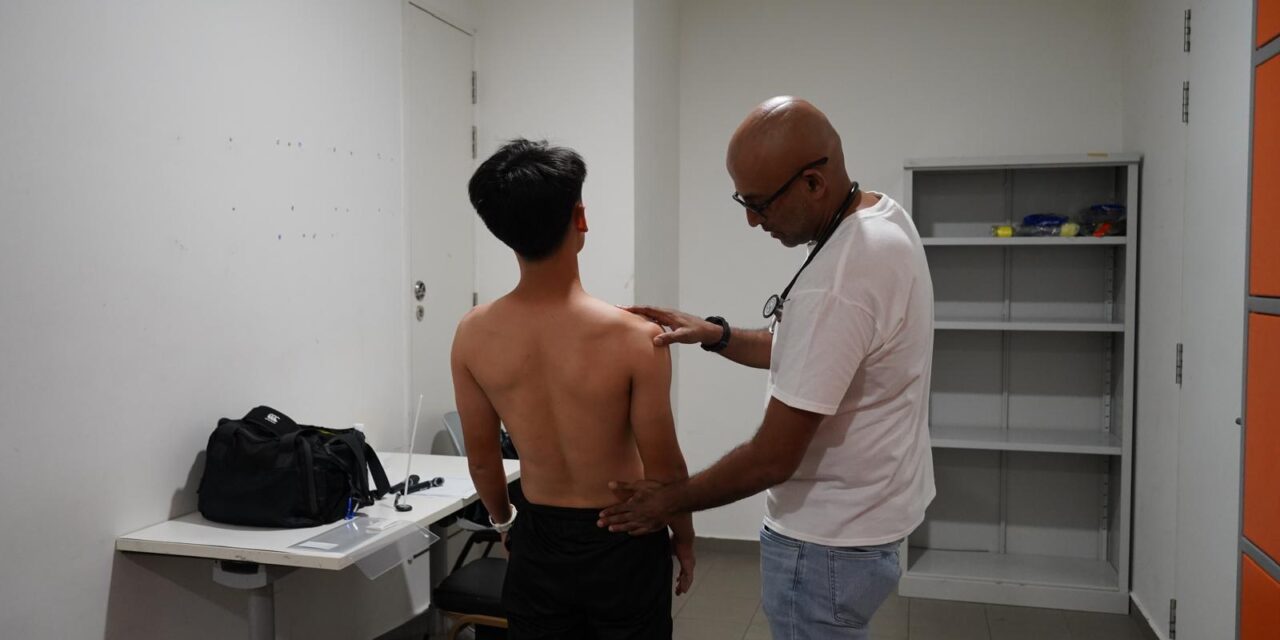
What Are Steroid Injections?

Steroid injections are a minimally invasive treatment used to reduce inflammation and relieve pain in joints, tendons, and soft tissues. They deliver a powerful anti-inflammatory medication directly to the affected area, providing quick and effective relief for conditions like arthritis, tendonitis, and bursitis. Steroid injections are a proven solution for managing pain and improving mobility without the need for surgery.

Steroids Injections

So, What Exactly Are Steroid Injections?

It contains corticosteroids, a type of medication that mimics the body’s natural anti-inflammatory hormones. When injected into the affected area, they work to reduce swelling, alleviate pain, and improve function. This targeted approach ensures faster relief compared to oral medications, with minimal side effects.

How Can these Injections Help Me Recover Better?

It offer a range of benefits for patients seeking pain relief and improved mobility:

  • Rapid Pain Relief: Reduces inflammation and discomfort quickly, often within a few days.
  • Minimally Invasive: Avoids the risks and recovery time associated with surgery and can be done under ultrasound guidance.
  • Improved Mobility: Helps restore movement in stiff or painful joints.
  • Versatile Treatment: Effective for a wide range of conditions, from sports injuries to chronic pain.

Whether you’re dealing with a sports injury or a chronic condition, steroid injections can help you get back to your daily activities with less pain and greater ease.

Conditions We Treat with Steroid Injections

These are highly effective for treating various musculoskeletal conditions, including:

  • Arthritis: Reduces inflammation and pain in joints affected by osteoarthritis or rheumatoid arthritis.
  • Tendinitis: Alleviates pain caused by inflamed tendons, such as tennis elbow or Achilles tendinitis.
  • Bursitis: Eases discomfort from inflamed bursae, commonly in the shoulder, hip, or knee.
  • Sports Injuries: Treats acute injuries like sprains or strains that cause significant inflammation.
  • Chronic Pain: Manages persistent pain in joints or soft tissues due to overuse or degeneration.

Each treatment is tailored to your specific condition, ensuring optimal results and a faster return to your active lifestyle.

FAQ: Frequently Asked Questions About Steroid Injections

  1. Are steroid injections painful?

    The procedure involves minimal discomfort, similar to a slight pinch. A local anesthetic is often used to ensure patient comfort during the injection.

  2. How long does it take for injections to work?

    Most patients experience pain relief within 3 to 5 days, with full effects noticeable within 1 to 2 weeks.

  3. How many injections can I receive?

    The number of injections depends on your condition and response to treatment. Typically, doctors recommend no more than 2 to 3 injections per year in the same area to avoid potential side effects.

  4. Are there any side effects of injections?

    Side effects are rare but may include temporary pain at the injection site, mild swelling, or skin discoloration. Serious side effects are uncommon when performed by an experienced professional.

  5. Can injections cure my condition?

    While these injections provide significant pain relief and reduce inflammation, they are not a cure. They are part of a comprehensive treatment plan to manage symptoms and improve quality of life.

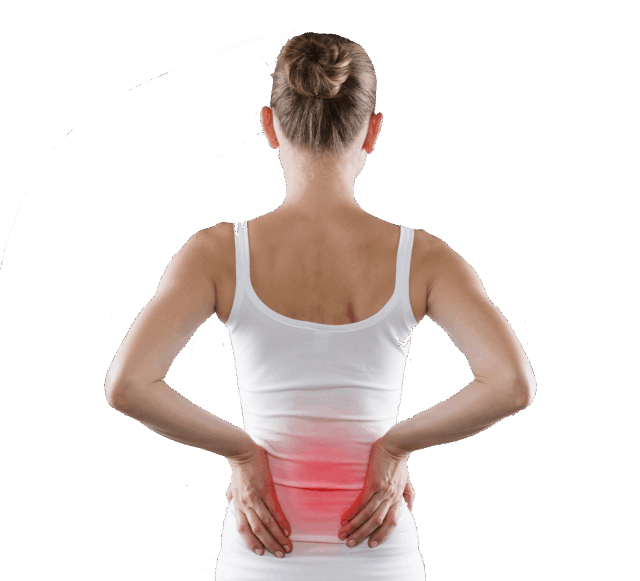
Spine Pain?

It can result from various causes, including injuries, poor posture, and underlying medical conditions.

Why Do People Experience Spine Pain?

This is a common issue that can stem from a variety of factors, such as muscle strain, ligament sprains, herniated discs, or degenerative conditions like arthritis. Additionally, poor posture, sedentary lifestyles, and repetitive movements can also contribute to spinal discomfort. In some cases, it may be a symptom of more serious conditions, such as spinal stenosis or sciatica. Therefore, understanding the root cause of your pain is the first step toward effective treatment and long-term relief.

What Causes Spine Pain, and What Are the Symptoms?

Learn about the common causes and symptoms to better understand your condition and seek timely treatment.

This pain can arise from several causes, including but not limited to:

  • Muscle or Ligament Strain: Overuse, poor posture, or sudden movements can strain the muscles and ligaments supporting the spine.
  • Herniated or Bulging Discs: Discs that cushion the vertebrae can rupture or bulge, pressing on nerves and causing pain.
  • Degenerative Conditions: Osteoarthritis or degenerative disc disease can lead to chronic pain.
  • Spinal Stenosis: Narrowing of the spinal canal, which puts pressure on the nerves.
  • Sciatica: Compression of the sciatic nerve, causing pain that radiates down the leg, can also mimic pain.
  • Hip or Sacroiliac Joint Pain: Both of these common problems can mimic pain.

Common symptoms of spine pain include:

  • Persistent aching or stiffness in the back.
  • Sharp, localized pain in the neck, upper back, or lower back.
  • Radiating pain that travels to the arms or legs.
  • Numbness, tingling, or weakness in the limbs.
  • Difficulty standing, sitting, or walking for extended periods.

If you experience any of these symptoms, consult a Dr for a diagnosis and treatment plan.

How Do You Relieve Spine Pain?

We offer a comprehensive approach to diagnosing and treating spine pain, which is tailored to your unique needs. Specifically, treatment options include:

  • Physical Therapy: Customized exercises to strengthen the muscles supporting the spine and improve flexibility.
  • Medications: Anti-inflammatory drugs or pain relievers to manage symptoms.
  • Minimally Invasive Procedures: Injections, such as epidural steroid injections, to reduce inflammation and pain.
  • Lifestyle Modifications: Ergonomic adjustments, posture correction, and weight management to reduce strain on the spine.
  • Advanced Therapies: Techniques like spinal decompression or regenerative treatments (e.g., PRP therapy) for chronic conditions.

FAQ: Frequently Asked Questions About Spine Pain 

  1. What are the most common causes of pain?
    Common causes include muscle strain, herniated discs, degenerative conditions like arthritis, spinal stenosis, and sciatica. 
  2. When should I see a doctor for pain?
    Seek medical attention if your pain is severe, persistent, or accompanied by symptoms like numbness, tingling, or weakness in the limbs. 
  3. Can poor posture cause pain?
    Yes, poor posture can strain the muscles and ligaments supporting the spine, leading to pain and discomfort over time. 
  4. Are there non-surgical treatments for pain?
    Yes, non-surgical options include physical therapy, medications, lifestyle changes, and minimally invasive procedures like injections. 
  5. How can I prevent spine pain?
    Maintain good posture, exercise regularly, avoid heavy lifting, and use ergonomic furniture to reduce strain on your spine. 

Understanding Back Pain

Back pain is one of the most common, affecting people across all age groups and activity levels. While occasional discomfort is normal, persistent or recurring symptoms often indicate underlying issues that benefit from professional attention.

Back Pain

Our approach focuses on thorough assessment to identify the root causes of your discomfort, followed by personalized treatment strategies for lasting relief.

Common Causes of Back Pain Discomfort

Several factors can contribute to back issues:
  • Muscle strain from improper lifting techniques or sudden movements
  • Poor posture during prolonged sitting, standing, or sleeping
  • Spinal disc concerns including age-related changes
  • Repetitive stress from work or sports activities
  • Sedentary lifestyle leading to weakened core muscles

Recognizing Back Discomfort Signs

Back discomfort can manifest in different ways:
  • Dull, persistent aching in the lower or upper back
  • Sharp pain with certain movements
  • Stiffness that limits mobility
  • Radiating sensations into the legs or arms
  • Difficulty maintaining comfortable positions

Back Pain Relief Options

We offer evidence-based solutions tailored to your specific Back condition:

  1. Comprehensive Assessment – Detailed evaluation to pinpoint the source of discomfort
  2. Movement Therapy – Targeted exercises to strengthen supporting muscles
  3. Manual Techniques – Gentle hands-on methods to improve joint mobility
  4. Posture Education – Practical adjustments for daily activities
  5. Activity Modification – Guidance for safer movement patterns
  6. Recovery Planning – Structured program to restore function

What Are Ultrasound Guided Procedures?

Ultrasound-guided procedures utilize real-time imaging to deliver precise, minimally invasive treatments for musculoskeletal conditions. Moreover, Dr. Dinesh provides expert care, ensuring faster recovery and optimal outcomes for his patients.


So, what exactly are ultrasound-guided procedures?

These procedures are advanced medical techniques that use real-time ultrasound imaging to accurately diagnose and treat musculoskeletal conditions. By utilizing this imaging technology during the procedure, Dr. Dinesh ensures precise delivery of treatments such as injections or therapies, thereby minimizing risks and maximizing effectiveness. Additionally, these procedures are non-invasive, significantly reduce recovery time, and are ideal for treating joint pain, tendon injuries, and chronic conditions.


How Can Ultrasound-Guided Procedures Help Me Recover Better?

Discover how these procedures enhance recovery by offering precision, minimal discomfort, and faster results.

In particular, the procedures offer several benefits for patients seeking effective and efficient recovery:

  • Firstly, precision is achieved through real-time imaging, which ensures accurate targeting of the affected area, thereby improving treatment outcomes.
  • Secondly, being minimally invasive, these procedures reduce the need for surgery, which in turn lowers risks and shortens recovery time.
  • Thirdly, patients experience faster pain relief and improved mobility, allowing them to return to their daily activities sooner.
  • Lastly, with personalized care, treatments are tailored to your specific condition, ensuring optimal results.

Whether you’re recovering from a sports injury or managing chronic pain, ultrasound-guided procedures provide a safe and effective solution.


Ultrasound Guided Procedures We Offer

Explore the range of these procedures available to treat musculoskeletal conditions effectively. 

Dr. Dinesh specializes in the following ultrasound-guided procedures: 

  1. Platelet-Rich Plasma (PRP): Uses concentrated platelets from your blood to promote healing in damaged tissues. 
  2. Prolotherapy: Stimulates tissue repair by injecting a natural irritant into injured ligaments or tendons. 
  3. Steroid Injections: Reduces inflammation and pain in joints and soft tissues. 
  4. High-Volume Injections: Flushes out scar tissue and improves joint mobility. 
  5. Hydrodilatation: Expands stiff joints to enhance range of motion. 
  6. Hydrodissection: Releases trapped nerves to alleviate pain. 
  7. Tenex Therapy: Removes damaged tissue to promote healing in chronic tendon conditions.These procedures are designed to address a wide range of musculoskeletal issues, helping you regain function and live pain-free. 


FAQ: Frequently Asked Questions About Ultrasound-Guided Procedures 

  1. What conditions can be treated with the guided procedures?
    These procedures are effective for treating joint pain, tendon injuries, arthritis, nerve compression, and chronic musculoskeletal conditions. 
  2. Are these procedures painful?
    Most patients experience minimal discomfort, as the procedures are minimally invasive and performed under local anesthesia. 
  3. How long does it take to see results? Many patients experience immediate relief, while others may notice improvement within a few days or weeks, depending on the condition. 
  4. Are there any risks associated with these procedures?
    Risks are minimal, but may include mild swelling, bruising, or temporary discomfort at the injection site. 
  5. How do I know if I’m a candidate for this procedures?
    Dr. Dinesh will evaluate your condition and medical history to determine if these procedures are suitable for you.