Arthritis and Joint Pain: What You Should Know

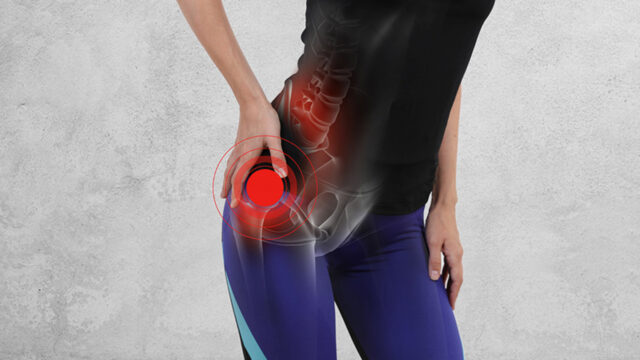
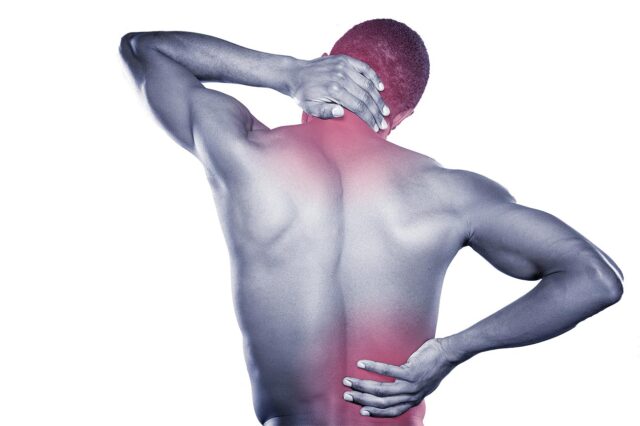
Arthritis and Joint pain and are among the most common conditions that affect people of all ages. They can cause stiffness, swelling, and discomfort that make daily activities difficult. However, with early awareness and proper assessment, many individuals can find ways to manage symptoms effectively and maintain an active lifestyle.

Whether the discomfort comes from ageing, sports injuries, or repetitive strain, understanding the root cause is the first step to improving mobility and long-term joint health.

Sport Doctor diagnosing patient Arthritis and Joint Pain
Senior patient with knee injury visit a Doctor

Why Do People Experience Arthritis or Joint Pain?

Joint pain can arise for many reasons. Some people experience it after intense physical activity, while others notice it gradually as part of the ageing process. In athletes, joint pain often results from overuse, impact, or poor technique during training. Office workers and sedentary individuals, on the other hand, may develop stiffness due to limited movement and prolonged sitting.

Arthritis is a broad term that describes inflammation of one or more joints. There are several types, including:

  • Osteoarthritis: Degeneration of joint cartilage often due to wear and tear.
  • Rheumatoid arthritis: An autoimmune condition that causes the immune system to attack joint tissue.
  • Post-traumatic arthritis: A condition that develops after an injury, such as a fracture or ligament tear.
  • Gout: A metabolic form of arthritis caused by uric acid crystal buildup in the joints.

These conditions can occur in the knees, hips, shoulders, wrists, or fingers, and may affect one or multiple joints over time.

What Causes Arthritis and Joint Pain?

Several factors can contribute to the development of joint pain or arthritis. Some are related to lifestyle, while others result from injury or genetics.

Common Causes Include:
  • “Wear and tear”: Repeated stress on a joint from daily use or sports.
  • Injury: Sprains, ligament tears, or fractures that affect joint stability.
  • Inflammation: Due to autoimmune reactions or chronic overuse.
  • Biomechanical issues: Poor posture or muscle imbalance that puts strain on certain joints.
  • Infection or metabolic changes: Conditions like gout or certain viral infections.
  • Age and genetics: Natural ageing or family history of arthritis can increase risk.

Although some causes cannot be avoided, early medical attention can help prevent symptoms from worsening and protect joint function.

Common Symptoms of Arthritis and Joint Pain

The symptoms of joint pain and arthritis vary depending on the underlying cause and the joint affected. However, common signs may include:

  • Aching or throbbing discomfort in the joint
  • Stiffness, especially in the morning or after rest
  • Swelling or warmth around the affected area
  • Reduced range of motion
  • Clicking, grinding, or instability in movement
  • Pain that worsens after activity or long periods of standing

When symptoms persist or interfere with mobility, it is important to seek medical evaluation to determine the exact cause.

How Do You Relieve Arthritis and Joint Pain?

While there is no single solution that fits everyone, non-surgical approaches can often provide meaningful relief. The goal is to reduce inflammation, improve strength and flexibility, and prevent further damage.

  1. Accurate Diagnosis

A thorough clinical assessment and imaging (such as ultrasound or X-ray) help identify the specific cause of pain. This ensures that treatment is directed appropriately.

  1. Activity and Lifestyle Adjustment

Maintaining a balanced exercise routine helps reduce stiffness while strengthening surrounding muscles. Proper posture, stretching, and ergonomic habits can also prevent flare-ups.

  1. Targeted Interventions

Depending on the diagnosis, treatment may include guided injections or other image-assisted interventions to manage inflammation safely. These are designed to support recovery and are performed under strict medical standards.

  1. Non-Surgical Management

Personalized rehabilitation exercises and lifestyle advice can help maintain mobility without surgery. Regular monitoring ensures safe progress and helps prevent re-injury.


Non-Surgical Knee treatment

What Is Chronic Regional Pain?

Chronic Regional Pain a condition where pain persists in a specific area of the body for weeks or months. Unlike short-term pain from a minor injury, this discomfort lasts beyond normal healing time. It can affect areas such as the arms, legs, shoulders, or back, making everyday activities challenging.

People experiencing chronic regional pain may notice that even simple tasks, like walking, typing, or lifting objects, trigger discomfort. The pain may feel sharp, burning, or throbbing, and it often reduces mobility. Because of its long-lasting nature, it can affect work, exercise, and overall quality of life.

Multiple Chronic Regional Pain Areas

Why Do People Develop Chronic Pain?

Chronic Pain can develop after:

  • Injuries: such as sprains, fractures, or muscle strains that do not heal properly.
  • Repetitive strain: from sports or work-related activities.
  • Surgery: where pain lingers even after recovery.
  • Medical conditions: like arthritis or nerve irritation.

For example, a runner may experience persistent ankle pain after a sprain, or an office worker might struggle with ongoing wrist pain after repetitive typing. These cases highlight how common activities can lead to ongoing pain.

What Causes Chronic Regional Pain and What Are the Symptoms?

Causes 

Several factors can contribute to this condition, including:

  • Nerve irritation or inflammation
  • Poor posture or repeated stress on joints and muscles
  • Previous injury or surgery
  • Underlying joint or tendon conditions

Chronic Regional Pain

Common Symptoms

People with chronic regional pain often report:

  • Ongoing aching or throbbing pain in one region
  • Redness, swelling or stiffness in the affected area
  • Muscle weakness or reduced range of motion
  • Sensitivity to touch or movement

These symptoms may vary from mild to severe, but what makes them significant is their persistence over time.

How Do You Relieve Chronic Regional Pain?

Relieving chronic pain requires a structured approach. While some individuals try to manage the discomfort with rest and over-the-counter solutions, professional guidance is often necessary for lasting results.

Common approaches may include:

  • Activity modification: adjusting routines to reduce strain.
  • Targeted exercises: to improve flexibility and strength.
  • Pain management techniques and treatments: using safe and effective options recommended by a doctor.
  • Lifestyle adjustments: such as improving posture, ergonomic setups, and balanced activity levels.

With the right guidance, many people can reduce their discomfort and return to a more active lifestyle. Early attention is important because untreated pain can limit daily routines and affect long-term mobility.

Chronic Regional Pain Syndrome


FAQ: Frequently Asked Questions About Chronic Regional Pain

1. What is chronic regional pain?

Chronic regional pain refers to persistent pain affecting a specific region of the body, such as the arm, leg, shoulder, or lower limb. It may involve muscles, joints, nerves, or surrounding soft tissues and can continue for an extended period after an injury or medical condition.

2. What common symptoms associated with chronic regional pain?

Symptoms include ongoing pain, sensitivity to touch, swelling, stiffness, changes in skin temperature, or reduced mobility in the affected region. The severity and pattern of symptoms can vary between individuals.

3. What causes chronic regional pain?

Chronic pain develop following injury, surgery, nerve irritation, or prolonged inflammation. In some cases, the nervous system become more sensitive to pain signals, contributing to persistent discomfort.

4. How is chronic pain evaluated?

Evaluation typically involves a clinical consultation, physical examination, and review of medical history. When appropriate, diagnostic imaging such as X ray, ultrasound, or MRI be used to assess underlying musculoskeletal structures.

5. What conditions may be related to chronic pain?

Chronic pain be associated with conditions such as chronic musculoskeletal pain, nerve related pain, complex regional pain syndrome CRPS, tendon injuries, or joint related disorders. Accurate assessment helps clarify the contributing factors.

6. What management approaches may be discussed for chronic pain?

Management approaches include physical rehabilitation, movement based therapies, education on activity modification, and other pain management strategies. The most appropriate approach depends on the underlying diagnosis and clinical findings.

7. Can regional pain affect mobility and daily function?

Persistent regional pain may affect movement, strength, and coordination, which in turn may influence daily activities such as walking, lifting, or performing repetitive tasks.

8. When should someone seek medical evaluation for chronic pain?

Medical evaluation may be considered when pain persists for several weeks or months, limits normal activity, or does not improve with rest or basic conservative measures. Assessment can help determine the cause and discuss potential management options.

Understanding Hamstring Tendon Pain

Hamstring tendon pain is a common issue that affects people from all walks of life. While many think of hamstring injuries as problems that only athletes experience, this condition can also impact individuals with more sedentary lifestyles. Hamstring tendons are responsible for attaching the large hamstring muscles at the back of the thigh to the pelvis and lower leg bones. When these tendons become irritated or injured, pain can occur near the hip, thigh, or behind the knee.

Because the hamstrings play a vital role in walking, running, and bending the knee, tendon problems can limit both daily activities and athletic performance. Recognizing the signs early and addressing the discomfort promptly can help prevent the pain from worsening.

Runner Holding His Hamstring Tendon Leg Pain
Close-up Of A Male Runner Holding His Injured Leg

Why Do People Experience Hamstring Tendon Pain?

People develop hamstring tendon pain for different reasons. Athletes in sports such as sprinting, football, or cycling often place high stress on the hamstrings, making them prone to overuse injuries. At the same time, individuals who spend long hours sitting may also experience tightness in the hamstrings, which increases strain on the tendons.

Examples include:

  • A runner feeling sharp pain at the back of the thigh during acceleration.
  • A footballer struggling with discomfort near the sit bone after repeated kicks.
  • An office worker experiencing aching pain in the upper hamstring after long periods of sitting.

As these examples show, hamstring tendon pain can affect both active and sedentary individuals.

What Causes Hamstring Tendon Pain and What Are the Symptoms?

Causes of Hamstring Tendon Pain:

  • Overuse injuries: Repetitive stress from running, cycling, or kicking.
  • Sudden movements: Sprinting or changing direction quickly can strain the tendon.
  • Muscle tightness or imbalance: Weak glutes or core muscles increase the load on the hamstrings.
  • Prolonged sitting: Constant pressure on the hamstring tendons while seated can irritate them.
  • Previous injuries: Old hamstring strains can weaken the tendon and make reinjury more likely.

Hamstring Tendon Pain

Common Symptoms of Hamstring Tendon Pain:

  • Pain or aching in the buttock or thigh, especially near the sitting bone
  • Sharp pain during sprinting, climbing stairs, or kicking
  • Stiffness in the hamstring region after long periods of rest
  • Pain that worsens after prolonged sitting
  • Discomfort that improves with rest but returns during activity

Because these symptoms overlap with other hip and thigh conditions, a diagnosis from a medical professional is essential.

How Do You Relieve Hamstring Tendon Pain?

Common Treatment Approaches Include:

  1. Comprehensive Assessment
    A detailed clinical evaluation ensures the pain truly originates from the hamstring tendons and not from the lower back or hip joint. Imaging may also be used to confirm the diagnosis.
  2. Rehabilitation Exercises
    Targeted stretching and strengthening exercises for the hamstrings, glutes, and core muscles can reduce tendon strain and improve resilience.
  3. Activity Modifications
    Temporary adjustments, such as reducing sprinting or high-intensity training, help protect the tendon while it recovers.
  4. Manual Therapy and Physiotherapy
    Soft tissue techniques and mobility work can ease tightness and restore balanced movement patterns.
  5. Non-Surgical Interventions
    In some cases, ultrasound-guided injections may be used to reduce irritation and support recovery. These procedures are safe, precise, and performed in a clinical setting.
  6. Education and Prevention
    Understanding body mechanics, proper warm-up routines, and gradual return-to-sport strategies can help prevent recurrence.

Understanding Hip Piriformis Syndrome

Hip piriformis syndrome is a condition where the piriformis muscle, located deep in the buttock near the hip joint, irritates or compresses the nearby sciatic nerve. This can cause pain, tingling, or numbness in the hip, buttock, and sometimes down the leg. Although it is less common than other hip conditions, piriformis syndrome can affect both active individuals and those with more sedentary lifestyles.

Because the symptoms often overlap with other causes of hip or back pain, many people struggle to identify piriformis syndrome early. Recognizing the condition and seeking timely advice is important for managing discomfort and preventing symptoms from worsening.

Piriforimis syndrome Pain

Why Do People Develop Hip Piriformis Syndrome?

People experience piriformis syndrome for different reasons. For example, athletes who engage in sports with repetitive hip movements, such as running or cycling, may place extra strain on the piriformis muscle. At the same time, individuals who spend long hours sitting at a desk may also experience tightness in the muscle that triggers symptoms.

This means piriformis syndrome does not affect only one group of people, it can develop in anyone whose hip muscles are either overused or underused.

What Causes Hip Piriformis Syndrome and What Are the Symptoms?

Causes:

  • Overuse injuries: Repetitive sports or activities that involve hip rotation.
  • Prolonged sitting: Remaining in one position for extended periods can tighten the piriformis muscle.
  • Muscle imbalance: Weakness in surrounding hip or core muscles may place more stress on the piriformis.
  • Previous injuries: Hip or back trauma can alter movement patterns, increasing the risk of piriformis irritation.

Piriforimis Syndrome Diagram

Common Symptoms of Hip Piriformis Syndrome:

  • Pain in the hip or buttock that may radiate down the leg
  • Tingling or numbness along the sciatic nerve path
  • Increased pain after sitting for long periods
  • Difficulty with activities like climbing stairs, running, or squatting
  • Relief when lying flat or stretching the hip muscles

Since these symptoms often mimic sciatica or lower back issues, professional assessment is key for accurate diagnosis.

How Do You Relieve Hip Piriformis Syndromes?

Relief from piriformis syndrome usually involves non-surgical, conservative approaches that reduce muscle tightness and improve hip function.

Common Treatment Approaches Include:

  1. Thorough Assessment
    A clear diagnosis ensures the correct condition is being treated. Clinical examination and imaging may be used to rule out other hip or spinal causes.
  2. Targeted Rehabilitation Exercises
    Stretching and strengthening exercises for the piriformis, hip, and core muscles can relieve tension and restore balance.
  3. Activity Modifications
    Adjusting posture, movement, and exercise routines helps reduce stress on the piriformis muscle.
  4. Non-Surgical Interventions
    Image-guided injections may be considered to reduce irritation and support recovery. These procedures are safe, precise, and performed in a clinical setting.
  5. Education and Prevention
    Learning about proper body mechanics and maintaining an active lifestyle can prevent recurrences.

Understanding Hip Labral Tears

Hip labral tears occur when the labrum, a ring of cartilage surrounding the hip socket, becomes torn or damaged. The labrum acts as a cushion and stabilizer for the hip joint, helping the thigh bone move smoothly within the socket. When it tears, it can cause pain, stiffness, and difficulty with daily movements or sports activities.

Many people with labral tears first notice discomfort during physical activity, such as running, twisting, or lifting. However, the condition can also develop gradually over time, especially if the hip joint is under repeated stress. Because hip pain can interfere with everyday life, understanding the causes and symptoms of labral tears is an important first step toward effective care.

Hip Labrum Tears

Why Do People Experience Hip Labral Tears?

Hip labral tears can happen to anyone, from athletes to individuals with sedentary lifestyles. For example, a football player may develop a tear due to sudden pivoting movements. On the other hand, an office worker with prolonged sitting may experience hip discomfort that gradually reveals an underlying tear. Additionally, people with structural issues in the hip joint are more prone to developing labral injuries.

What Causes Hip Labral Tears and What Are the Symptoms?

Causes of Hip Tears:

  • Repetitive movements: Sports such as running, hockey, or golf often place continuous stress on the hip joint.
  • Trauma or injury: Falls, accidents, or sudden twisting can cause a tear.
  • Structural abnormalities: Conditions such as femoroacetabular impingement (FAI) increase the risk of labral damage.
  • Degeneration over time: Wear and tear from aging can gradually weaken the hip labrum.

Hip Labrum Tears Anatomy

Common Symptoms of Hip Labral Tears:

  • Persistent hip or groin pain, especially during activity
  • A catching or clicking sensation in the hip joint
  • Stiffness and reduced range of motion
  • Pain when sitting for long periods
  • Discomfort during twisting or turning movements such as getting in and out of a car

Because these symptoms overlap with other hip conditions, many people do not realize they have a labral tear until they seek medical evaluation.

How Do You Relieve Hip Labral Tear?

Common Treatment Options Include:

  1. Accurate Diagnosis
    Using advanced imaging and clinical assessment, the specific cause of your hip pain can be identified. This ensures that the treatment plan addresses your individual condition.
  2. Targeted Exercise and Activity Modification
    Specific strengthening and mobility exercises can support the hip joint. By improving muscle balance, patients often notice reduced strain on the labrum.
  3. Non-Surgical Interventions
    Image-guided procedures, such as precise joint injections, may provide relief and support recovery. These are safe, professional options that can complement rehabilitation.
  4. Education and Prevention
    Learning proper movement techniques and making small adjustments to daily activities can prevent symptoms from worsening.

Understanding Hip Impingement

Hip impingement, also known as femoro-acetabular impingement (FAI), is a condition where extra bone growth or abnormal joint movement causes catching. This friction can lead to pain, stiffness, and reduced mobility. Because the hips are vital for walking, running, and daily activities, even minor issues may disrupt quality of life.

Hip Joint Pain

Why Do People Experience Hip Impingement?

People experience hip joint pain when the shape of the hip joint does not fit together smoothly. Athletes often notice it first because repetitive movement stresses the joint. However, individuals with sedentary lifestyles may also develop symptoms from prolonged sitting or poor posture.

Examples of hip joint impingement include:

  • Pain during twisting movements, such as turning quickly while playing football.
  • Discomfort after long runs or high-intensity gym workouts.
  • Hip stiffness in office workers after extended hours at a desk.
  • Limited hip rotation noticed during stretching or yoga.
  • Pain getting in and out of the car.

Because symptoms may develop gradually, many people initially mistake hip joint impingement for simple muscle tightness.

What Causes Hip Joint Impingement and What Are the Symptoms?

Causes:

Several factors can lead to this condition, including:

  • Abnormal bone growth at the top of the thigh bone or hip socket.
  • Repetitive sports movements that strain the hip joint.
  • Previous injuries that affect hip alignment.
  • Poor posture and long hours of sitting.
  • Genetic factors that influence joint shape.

Hip Impingement

Common Symptoms:

Hip joint impingement may present with a range of symptoms such as:

  • Sharp or aching pain in the front of the hip or groin.
  • Stiffness that makes it hard to bend or rotate the hip.
  • Clicking or catching sensations in the joint.
  • Pain that worsens during sports or prolonged sitting.
  • Reduced ability to perform daily movements comfortably.

Because these symptoms overlap with other conditions, an evaluation is key.

How Do You Relieve Hip Impingement?

Relieving hip joint impingement often requires a combination of rest, targeted exercise, and medical guidance. Non-surgical methods are usually effective, especially when treatment begins early.

Common approaches include:

  • Activity modification to reduce stress on the hip joint.
  • Guided rehabilitation with exercises that strengthen supporting muscles.
  • Flexibility training to improve range of motion.
  • Posture correction and ergonomic adjustments for everyday tasks.
  • Supportive treatments such as pain-relieving injections, if recommended.

With consistent management, patients often regain mobility and return to an active lifestyle.

Understanding Hip Pain

Hip pain a common condition that can affect people of all ages, from athletes to office workers. Because the hips carry the body’s weight and support movement, even mild discomfort can interfere with daily life.

Running and hip pain

Why Do People Experience Hip Pain?

People may experience pain for several reasons, often related to lifestyle, activity level, or age. For example, long-distance runners may develop hip discomfort from repetitive stress. On the other hand, individuals with sedentary jobs may feel stiffness from prolonged sitting.

Common examples of pain include:

  • Groin pain that worsens during walking or climbing stairs.
  • Hip joint stiffness that limits range of motion.
  • Outer hip pain often linked to muscle or tendon irritation.
  • Pain radiating to the thigh or buttock from hip-related conditions.

Because hip pain can take many forms, seeking medical advice helps ensure the right approach is taken.

What Causes Hip Pain and What Are the Symptoms?

Causes:

Hip joint pain can result from different sources. Some of the most common include:

  • Sports injuries such as muscle strains or labral tears.
  • Overuse injuries from repetitive activities like running or cycling.
  • Poor posture that places extra stress on the hips.
  • Arthritis and age-related changes in the hip joint.
  • Imbalances or weakness in supporting muscles.

how to tackle hip pain with Dr Dinesh Singapore

Common Symptoms:

Hip joint pain symptoms may vary depending on the cause. However, some of the most reported include:

  • Dull aching in the hip or groin.
  • Sharp pain with movement, especially twisting or turning.
  • Stiffness that makes it hard to bend or stretch.
  • Swelling or tenderness around the joint.
  • Discomfort when lying on the affected side.
  • Night pain

Because symptoms can overlap with other conditions, an assessment is important.

How Do You Relieve Hip Pain?

Relieving pain often involves a combination of rest, guided rehabilitation, and lifestyle changes. Safe, non-surgical methods are usually effective, especially when started early.

Some common approaches include:

  • Rest and activity modification to allow the hip joint to recover.
  • Physical therapy with tailored exercises to strengthen supporting muscles.
  • Posture correction and ergonomic adjustments to reduce daily strain.
  • Footwear and support devices that help balance and alignment.
  • Non-surgical medical treatments such as injections, where appropriate, for degenerative conditions and labral tears.

Understanding Lower Body Pain

Lower body pain a common condition that affects people of all ages, from athletes to individuals with desk-bound lifestyles. It may involve the hips, thighs, knees, calves, ankles, or feet. Because these areas carry the body’s weight, even mild discomfort can interfere with daily activities. Addressing pain early can help restore mobility and prevent the problem from getting worse.trail runner leg feet pain


Why Do People Experience Lower Body Pain?

People often experience lower body aches and pain due to a mix of lifestyle, activity, and health-related factors. For example, runners and cyclists may develop knee or ankle issues from repetitive strain. On the other hand, sedentary workers may face hip or lower back stiffness from prolonged sitting. Older adults may also experience lower pain as joints naturally wear over time.

Common examples of lower body aches and pain include:

  • Hip pain from overuse or prolonged sitting.
  • Knee pain caused by sports, exercise, or degeneration.
  • Shin splints from repetitive running or jumping.
  • Ankle pain due to sprains or instability.
  • Foot pain such as plantar fasciitis or midfoot discomfort.

Although these conditions vary, they share a significant impact on movement, making proper diagnosis and care important.

What Causes Lower Body Aches and Pain and What Are the Symptoms?

Causes of Lower Body Pain:

Lower body aches and pain can stem from a range of factors. Some common causes include:

  • Sports injuries like sprains, strains, and muscle tears.
  • Overuse injuries from repetitive movements in running, cycling, or gym workouts.
  • Poor posture during sitting, standing, or exercising.
  • Age-related wear and tear that affects joints such as the hips and knees.
  • Improper footwear that places stress on ankles and feet.

Running with Knee Pain

Common Symptoms:

Pain symptoms may vary in intensity and location, but frequent complaints include:

  • Aching or sharp pain in muscles or joints.
  • Swelling or stiffness around the knees, hips, or ankles.
  • Reduced range of motion when walking or bending.
  • Pain that worsens with activity or prolonged sitting.
  • Discomfort that interferes with sleep or daily movement.

Recognising these symptoms early helps ensure timely care and quicker recovery.

How Do You Relieve Lower Body Pain?

  • Rest and activity modification: Taking a break from high-impact activities reduces strain.
  • Physical therapy and rehabilitation: Guided exercises strengthen muscles, improve balance, and restore mobility.
  • Bracing or support devices: These can reduce stress on painful areas during movement.
  • Lifestyle adjustments: Proper footwear, ergonomic seating, and weight management reduce excess pressure on the lower body.
  • Non-surgical treatments: Techniques like shockwave therapy or injections may be recommended when suitable.

Fibromyalgia Relief & Management in Singapore

Fibromyalgia a long-term condition that causes widespread pain, fatigue, and tenderness in muscles, ligaments, and tendons. Many people also experience sleep issues, memory difficulties, and mood changes.

Fibromyalgia Pain

Why Do People Experience Fibromyalgia?

Fibromyalgia affects people differently. It does not damage muscles or joints, but it changes the way the brain and spinal cord process pain signals, making sensations more intense.

For example, a person with this condition might feel aching throughout the body after light activity, or may wake up tired despite a full night’s sleep. Some notice stiffness in the morning, while others may experience sharp flare-ups during stressful periods.

What Causes Fibromyalgia and What Are the Symptoms?

Causes

The exact cause of fibromyalgia is still not fully understood, but research suggests it may be linked to:

  • Overactive pain response in the nervous system
  • Genetics – a higher risk if a family member has fibromyalgia
  • Physical or emotional stress – such as recovery after an injury or illness
  • Sleep disturbances – leading to increased sensitivity to pain

Fibromyalgia is not contagious and it does not cause physical damage to tissues, but it can significantly impact daily activities and overall well-being.

Common Symptoms

People with this condition may experience:

  • Widespread muscle and joint pain
  • Chronic fatigue
  • Stiffness, especially in the morning
  • Sleep problems (including insomnia or unrefreshing sleep)
  • Headaches or migraines
  • Trouble concentrating (“fibro fog”)
  • Sensitivity to touch, light, or temperature

Symptoms often come and go, with flare-ups triggered by stress, weather changes, or physical exertion.

How Do You Relieve Fibromyalgia?

While there is no cure for fibromyalgia, many people find relief through a combination of professional care, lifestyle adjustments, and self-management strategies.

We take a structured, non-invasive approach that may include:

  1. Accurate Assessment & Diagnosis – to rule out other causes and confirm the condition.
  2. Pain Management Advice – guidance on safe and effective methods.
  3. Lifestyle Recommendations – including exercise, stress reduction, and improved sleep habits.
  4. Patient Education – helping you understand your condition to better manage symptoms.

Fibromyalgia Joint Pain


FAQ: Frequently Asked Questions About Fibromyalgia

1. What is fibromyalgia?

A chronic pain condition characterised by widespread musculoskeletal pain, fatigue, and tenderness in multiple areas of the body. It often associated with increased sensitivity to pain signals and may affect sleep, energy levels, and daily functioning.

2. What common symptoms?

Common symptoms may include persistent widespread pain, muscle stiffness, fatigue, sleep disturbances, headaches, and difficulty concentrating sometimes referred to as “fibro fog.” Symptoms may vary in intensity over time.

3. What causes fibromyalgia?

Current research suggests it involve changes in how the brain and nervous system process pain signals. Factors such as genetics, stress, infections, or previous physical trauma may contribute in some individuals.

4. How fibromyalgia diagnosed?

Typically evaluated through clinical assessment, medical history review, and physical examination. Doctors may also perform laboratory tests or imaging studies to rule out other conditions that can cause similar symptoms.

5. Is fibromyalgia related to other musculoskeletal pain conditions?

Occur alongside other conditions such as chronic muscle pain, myofascial pain syndrome, arthritis, or persistent fatigue related disorders. Proper evaluation helps distinguish between these conditions.

6. What management approaches may be discussed for fibro?

Management approaches may include education about the condition, structured exercise programs, physical therapy, lifestyle adjustments, and pain management strategies. Treatment plans are typically tailored following clinical evaluation.

7. Can fibromyalgia affect daily activities?

Yes. Fibromyalgia symptoms such as fatigue, widespread pain, and stiffness may affect daily activities including work, physical activity, and sleep quality. Management often focuses on improving function and supporting overall wellbeing.

8. When should someone seek medical evaluation for fibro symptoms?

Medical evaluation be considered when widespread pain persists for several months, is accompanied by fatigue or sleep problems, or interferes with daily activities. Clinical assessment helps determine possible causes and appropriate management options.

Long Term Pain Procedures – Understanding Your Options

Living with persistent long term pain procedures can be exhausting. It can affect your mobility, disrupt your work, and even impact your emotional well-being. At our clinic in Singapore, We offer an alternative approach to long term pain, through wholisitic management plan focused on helping patients manage chronic discomfort while aiming to heal through regenerative medicine.

Long-Term Pain Management

Unlike short-term treatments that only provide temporary relief, long-term pain management aims to address ongoing pain in a sustainable way through a regenerative approach. By tailoring each plan to your specific needs, we help you regain confidence in your body’s abilities.

Why Do People Seek Long Term Pain Procedures?

People usually consider long term pain procedures when:

  • Pain has persisted for months or years
  • Daily activities affected
  • Previous short-term treatments have not provided lasting relief
  • There a need for ongoing, structured pain management

Common situations include chronic joint pain, lower back discomfort, neck stiffness, post-injury pain, and pain from degenerative conditions such as osteoarthritis.

Examples of Long-Term Pain Procedures

Long term pain procedures can vary depending on the cause, location, and severity of pain. Some of the commonly recommended options include:

  1. Joint Injections – For inflammation and pain in areas like knees, shoulders, or hips.
  2. Nerve Blocks – Targeted procedures to help reduce pain signals from specific nerves.
  3. Epidural Steroid Injections – Often used for persistent back or neck pain caused by nerve irritation.
  4. Trigger Point Injections – For muscle pain and tension knots that do not resolve with basic therapy.
  5. Radiofrequency Ablation – A minimally invasive method that uses heat to reduce nerve pain signals.

These procedures performed in a controlled, medical environment and follow strict safety protocols.

Long Term Pain Procedures Injuries

What Causes the Need for Long Term Pain Procedures?

Chronic pain can arise from many underlying causes. The most common include:

  • Arthritis – Joint inflammation causing stiffness and pain.
  • Degenerative Disc Disease – Age-related changes in spinal discs.
  • Nerve Compression – From herniated discs or bone spurs.
  • Post-Surgical Pain – When discomfort continues after an operation.
  • Sports Injuries – That fail to heal completely.

Common Symptoms

Patients who may benefit from long term pain procedures often report:

  • Persistent pain lasting more than 3 months
  • Stiffness in joints or muscles
  • Numbness, tingling, or weakness in limbs
  • Pain that worsens with specific movements
  • Difficulty sleeping due to discomfort

How Do You Relieve Long Term Pain?

Managing long term pain often requires a combination of treatments. Our approach to:

  1. Accurately diagnose the cause through consultation and medical imaging.
  2. Select the most suitable procedure based on your condition and goals.
  3. Implement supporting treatments such as physical rehabilitation, exercise programs, and lifestyle adjustments.
  4. Monitor and adjust the plan to ensure consistent improvement.

FAQ: Frequently Asked Questions About Long Term Pain Procedures

1. What long term pain procedures?

Long term pain procedures refer to medical treatments used to manage persistent musculoskeletal or joint pain that may not improve with initial conservative care. These procedures typically performed after clinical evaluation and may involve image guided injections, regenerative medicine techniques, or minimally invasive interventions.

2. What types of conditions may be evaluated for long term pain?

Long term pain procedures may be considered during evaluation of conditions such as chronic joint pain, tendon injuries, sports related injuries, nerve irritation, osteoarthritis, and persistent musculoskeletal pain affecting areas like the shoulder, knee, hip, or spine.

3. How long term pain assessed before treatment?

Assessment usually involves a clinical consultation, physical examination, and review of medical history. Where appropriate, diagnostic imaging such as ultrasound, X ray, or MRI may be used to better understand the underlying condition before discussing possible treatment options.

4. What types of minimally invasive procedures may be discussed for chronic pain management?

Depending on clinical findings, procedures that may be discussed include ultrasound guided injections, platelet rich plasma PRP therapy, hydrodilatation, Tenex procedures, or other minimally invasive musculoskeletal interventions. Suitability determined during medical evaluation.

5. Are long term pain procedures used as an alternative to surgery?

In some cases, non surgical pain management procedures may be considered as part of a broader treatment strategy. However, the most appropriate management approach varies depending on the specific diagnosis, severity of the condition, and clinical assessment.

6. How long do chronic pain conditions typically last without treatment?

Chronic musculoskeletal pain generally defined as pain lasting longer than three months. The duration and progression of symptoms vary widely depending on the underlying cause, lifestyle factors, and individual health conditions.

7. What areas of the body commonly treated with long term pain procedure?

Long term pain procedures commonly used in the evaluation and management of shoulder pain, knee pain, hip pain, back pain, tendon injuries, ligament injuries, and joint related conditions.

8. When should someone consider a medical evaluation for persistent pain?

A medical evaluation may be considered when pain persists for several weeks, affects daily activities, limits mobility, or does not improve with rest or conservative measures. Clinical assessment helps determine appropriate next steps and available treatment options.