Achilles Tendon Pain: Causes, Symptoms

What Is Achilles Tendon Pain?

Achilles tendon pain a condition that affects both active individuals and those with sedentary lifestyles. The Achilles tendon, located at the back of the lower leg, connects the calf muscles to the heel bone. It plays a vital role in walking, running, and jumping. When this tendon becomes irritated or injured, it can lead to discomfort, stiffness, and restricted movement. Early diagnosis and proper care can help prevent long-term complications.
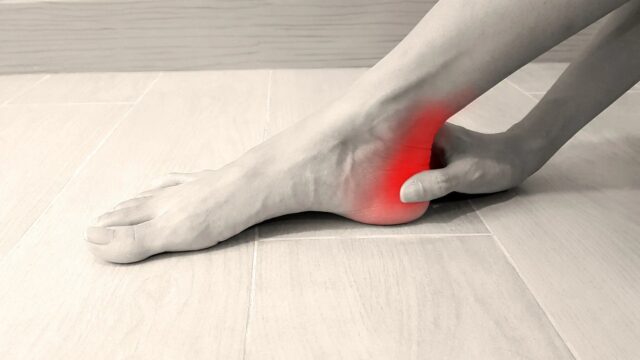
foot pain achilles tendon pain

Why Do People Experience Achilles Tendon Pain?

Achilles tendon can affect people from various age groups and activity levels. While athletes commonly encounter this issue, it also affects individuals who are not regularly active. Some typical scenarios include runners increasing their mileage too quickly, people wearing unsupportive footwear, or those standing for prolonged periods on hard surfaces.

The most common areas for Achilles tendon pain include:

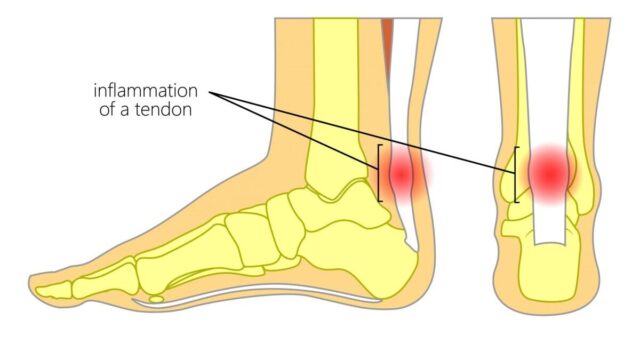
  • Mid-portion of the tendon: Located a few centimeters above the heel bone.
  • Insertional area: Where the tendon attaches to the heel bone.

Both areas can become irritated due to overuse, poor biomechanics, or external factors.
Achilles Tendonitis Treatment

What Causes Achilles Tendon Pain?

Understanding the causes of Achilles tendon is essential for effective prevention and treatment. Several factors can contribute to the development of this condition:

  • Sudden Increase in Physical Activity: Rapidly raising training intensity or frequency often leads to tendon overstrain.
  • Improper Footwear: Wearing shoes without adequate heel support places additional stress on the tendon.
  • Poor Running Technique: Incorrect gait can result in uneven pressure on the lower limbs.
  • Tight Calf Muscles: Reduced flexibility can strain the Achilles tendon during activity.
  • Previous Ankle or Foot Injuries: Prior trauma may lead to biomechanical imbalances, increasing tendon stress.
  • Age-Related Changes: As tendons lose elasticity with age, they become more prone to irritation.

Common Symptoms of Achilles Tendon Pain

Recognising the signs of Achilles tendon pain early helps promote faster recovery. Symptoms can range from mild to severe and typically include:

  • Dull or sharp pain at the back of the heel or lower leg
  • Stiffness, especially in the morning or after periods of rest
  • Swelling along the tendon or near the heel
  • Tenderness when touched or squeezed
  • Pain that worsens with activity and improves with rest
  • Limited range of motion in the ankle

In some cases, a noticeable thickening of the tendon or a creaking sensation during movement may also occur.

How Do You Relieve Achilles Tendon Pain?

Recommended Treatment Approaches:
  1. Rest and Activity Modification
    Initially, reducing weight-bearing activities like running or jumping can alleviate strain.
  2. Ice Therapy
    Applying ice packs for 10-15 minutes several times a day helps reduce pain and swelling.
  3. Clinical Assessment
    A thorough examination, sometimes supported by ultrasound imaging, ensures an accurate diagnosis and appropriate care.
  4. Stretching and Strengthening Exercises
    Gentle calf stretches and progressive strengthening exercises improve flexibility and tendon resilience.
  5. Footwear Adjustments
    Switching to supportive shoes or adding heel lifts can decrease tendon stress during recovery.
  6. Ultrasound-Guided Injections
    In persistent cases, ultrasound-guided treatments like regenerative medicine injections or TENEX therapy may be recommended, always adhering to established clinical guidelines.
  7. Gradual Return to Activity
    A structured plan allows for a safe, step-by-step return to sports or regular physical activities.

Ankle Ligament Injuries: Causes, Symptoms

What Are Ankle Ligament Injury?

Ankle ligament injuries are some of the most common musculoskeletal issues affecting active individuals, athletes, and those engaging in daily physical activities. Ligaments are strong, fibrous bands of connective tissue that help stabilize the joints. When these ligaments are overstretched, it can lead to sprains or tears . Ankle ligament injuries typically occur when the foot twists unexpectedly, causing excessive strain on the supporting ligaments.

Medial and Lateral Ankle Sprain Dr Dinesh

An assessment of ankle ligament injuries using sports ultrasound, and non-surgical management to help treat them.

Why Do People Experience Ankle Ligament Injury?

Several factors can lead to ankle ligament injuries. Often, these injuries happen after landing or stepping awkwardly during sports like football, basketball, tennis, and running. Additionally, uneven surfaces, sudden changes in direction, or improper footwear can also increase the risk. Even everyday scenarios, such as missing a step or tripping over, can result in an ankle ligament injury.

The ligaments most commonly affected include:
  • Anterior talofibular ligament (ATFL): The most frequently injured ligament, usually during an inversion (inward) movement.
  • Calcaneofibular ligament (CFL): Often injured alongside the ATFL.
  • Posterior talofibular ligament (PTFL): Less commonly affected but can be involved in severe injuries.
  • Deltoid ligament (DL): Commonly injured from a sudden eversion (outward) movement, these can also be injured from an inversion injury.

Ankle Joint Anatomy

What Causes Ankle Ligament Injuries?

Understanding the causes of ankle ligament injury can help individuals take preventive measures. Some common causes include:

  • Sudden twisting of the foot: A quick, unexpected movement can overstretch the ligaments.
  • Landing awkwardly from a jump: Incorrect landing technique increases the risk of injury.
  • Wearing unstable footwear: High heels or poorly fitting shoes may contribute to instability.
  • Weak ankle muscles: Insufficient strength and flexibility can leave the ankle vulnerable.
  • Previous injury: A history of ankle sprains can lead to instability and increase the likelihood of recurrence.

Common Symptoms of Ankle Ligament Injury

Recognising the symptoms early allows for timely intervention. Symptoms typically include:

  • Pain on the outer side of the ankle
  • Swelling around the joint
  • Bruising or discolouration
  • Difficulty bearing weight
  • Restricted range of motion
  • A feeling of instability, especially when walking on uneven ground

In moderate to severe cases, a noticeable popping sound or sensation may occur at the time of injury.

How Do You Relieve Ankle Ligament Injuries?

While many ankle ligament injuries can heal naturally over time, early and appropriate care is essential to promote optimal recovery and prevent future complications. We focus on non-surgical and evidence-based treatments, always prioritizing patient safety and comfort.

Recommended Treatment Approaches:

  1. RICE Protocol (Rest, Ice, Compression, Elevation)
    Immediately after an injury, this method helps reduce swelling and pain.
  2. Clinical Assessment
    A thorough physical examination and sports ultrasound ensures an accurate diagnosis. Sometimes, an MRI may be recommended to further evaluate the severity.
  3. Immobilization
    In cases of moderate sprains, using a brace or supportive footwear can stabilize the ankle while it heals.
  4. Rehabilitation Exercises
    Tailored strengthening and balance exercises are essential for restoring mobility and preventing recurrent injuries.
  5. Ultrasound-Guided Injections
    In persistent cases, ultrasound-guided procedures such as corticosteroid injections can be considered to manage inflammation or regenerative treatments can be used to help healing. All procedures adhere strictly to clinical safety guidelines.
  6. Return-to-Activity Plan
    A customized rehabilitation and return-to-sport strategy ensures a gradual and safe resumption of regular activity.

Ulnar Nerve Injury Treatment

Whether you’re an athlete, desk-based professional, or anyone facing persistent arm tingling or weakness, don’t ignore these signs. Early attention to ulnar nerve injury makes all the difference for a quicker, better recovery.

Ulnar Nerve Injury
Ulnar nerve injury typically affects areas around the elbow, wrist, and hand.

What Is Ulnar Nerve Injury?

Ulnar nerve injury refers to irritation, compression, or damage to the ulnar nerve — one of the major nerves of the arm. It typically affects areas around the elbow, wrist, and hand. You may have heard people describe a tingling sensation when hitting their “funny bone”; that’s actually the ulnar nerve being triggered.

Early identification and proper management are essential because ongoing nerve compression can lead to lasting weakness or numbness in the affected areas.

Why Do People Experience Ulnar Nerve Injury?

Many daily and sporting activities can place pressure on the ulnar nerve. For example, cyclists and tennis players often experience symptoms due to repetitive arm positions or sudden impacts. Office workers leaning on their elbows for prolonged periods can also be at risk.

Additionally, certain occupations requiring frequent arm bending or hand use — such as plumbers, mechanics, or musicians — might lead to irritation or compression of the ulnar nerve over time.

What Causes Ulnar Nerve Injury?

Several factors contribute to ulnar nerve problems. Here are the most common causes:

  • Prolonged Elbow Flexion: Keeping your elbow bent for extended periods, such as when sleeping or using a phone.
  • Repetitive Strain: Sports like golf or tennis and jobs requiring repetitive wrist or elbow motion.
  • Direct Trauma: A hard knock to the inner elbow can irritate the nerve.
  • Bone Spurs or Joint Changes: Arthritis or bone overgrowth can press against the nerve.
  • Cysts or Soft Tissue Growth: These can narrow the nerve’s pathway, causing pressure and irritation.

What Are the Common Symptoms of Ulnar Nerve Injury?

Recognising symptoms early allows for prompt management. The following signs often appear when the ulnar nerve is affected:

  • Tingling or numbness in the ring and little fingers.
  • Weak grip strength.
  • Difficulty with finger coordination, especially in fine movements.
  • Aching pain at the inner elbow or wrist.
  • Hand muscle wasting in severe or prolonged cases.

Symptoms may worsen when bending the elbow, leaning on it, or keeping the arm in the same position for long durations.

How Do You Relieve Ulnar Nerve Injury?

Fortunately, most ulnar nerve injuries can improve with early, non-surgical care. At Dr Dinesh Clinic in Singapore, we adopt a personalised, evidence-based approach to help manage nerve discomfort and promote healing.

Common Non-Surgical Management Includes:

  • Activity Modification: Adjusting daily habits and work postures to reduce strain on the nerve.
  • Arm Splints or Supports: Especially at night to prevent prolonged elbow flexion.
  • Targeted Rehabilitation: Exercises to strengthen surrounding muscles and improve flexibility.
  • Anti-Inflammatory Medication: To reduce swelling around the nerve.
  • Ultrasound-Guided Injections: In suitable cases, to ease inflammation and relieve symptoms and release the nerve in situations where has become compressed.

Early intervention is key because it helps prevent long-term nerve damage and hand weakness.

When Should You See a Doctor?

If tingling, numbness, or weakness persists for more than a few days or worsens over time, it’s best to consult a specialist. Prompt evaluation can help identify the severity and tailor a treatment plan that suits your lifestyle and activities.

FAQ: Frequently Asked Questions About Ulnar Nerve Injury

What is an ulnar nerve injury?

An ulnar nerve injury refers to irritation or compression of the ulnar nerve, which runs along the inner side of the elbow. It can affect sensation and movement in the forearm, hand, and fingers.

How painful is ulnar nerve injury?

Pain levels can vary. Some individuals may experience mild discomfort, while others may notice sharp pain, tingling, or numbness along the inner elbow, forearm, or into the ring and little fingers.

What are common concerns with ulnar nerve injury?

Common concerns include:

  • Numbness or tingling in the fingers
  • Weak grip strength
  • Difficulty with fine hand movements
  • Symptoms worsening with prolonged elbow bending

How is ulnar nerve injury assessed?

Ulnar nerve injury is usually assessed through a clinical evaluation, including symptom discussion and physical examination. In some cases, imaging or nerve studies may be considered to better understand the condition.

Can ulnar nerve injury improve without surgery?

Many cases can be managed with non-surgical care. This may include activity modification, positioning advice, and structured rehabilitation based on clinical findings.

What treatment options are available for ulnar nerve injury?

Management options may include:

  • Activity and posture modification
  • Physiotherapy and nerve gliding exercises
  • Supportive bracing (especially at night)
  • Ultrasound-guided procedures (when appropriate)

Treatment plans are tailored based on individual needs and symptoms.

How many treatment sessions are usually needed?

The number of sessions can vary depending on the severity of the condition and response to treatment. Some individuals may require only a few sessions, while others may benefit from a longer course of guided rehabilitation.

Are there any side effects from treatment?

Most non-surgical treatments are generally well tolerated. Some individuals may experience temporary soreness or discomfort after certain procedures or exercises. A healthcare professional can provide guidance on what to expect.

Common Ligament Injuries 

Ligament injuries are a common yet treatable condition. By seeking prompt, care and following a structured rehabilitation plan, most individuals can return to their usual activities without long-term issues.

Ligament Injuries
Ligament injuries are a common yet treatable condition

What Are Ligament Injuries?

Ligament injuries are common musculoskeletal conditions that occur when the tough bands of tissue connecting bones within a joint become stretched or torn. These injuries can affect anyone, although they’re particularly common among athletes, active individuals, and people with physically demanding jobs.

In Singapore, ligament injuries frequently affect areas such as the knee, ankle, wrist, elbow, and shoulder. Without timely care, they can lead to joint instability and long-term discomfort. The good news is that most ligament injuries improve with structured, non-surgical treatments when managed early.

Why Do People Experience Ligament Injury?

Ligaments play a critical role in stabilising joints and supporting movement. However, when a joint is forced beyond its normal range of motion or endures excessive stress, the ligament may stretch or tear. This can happen during sports activities, everyday accidents, or even simple missteps.

For example:

  • Ankle sprains often occur when the foot rolls inwards while walking on uneven ground.
  • Knee ligament injuries may happen during sudden changes in direction while playing football or basketball or during contact such as tackles.
  • Wrist sprains can result from a fall onto an outstretched hand.

It’s important to recognise the risk factors so that you can take proactive steps to protect your joints.

What Causes Ligament Injuries?

There are several situations that can increase the likelihood of ligament injuries:

  • Sports and High-Impact Activities: Jumping, running, or abrupt changes in direction place stress on ligaments.
  • Falls and Accidents: Slipping or falling can lead to sudden, unnatural joint movements.
  • Overuse or Repetitive Motion: Continuous strain on joints through repeated actions may weaken ligaments over time.
  • Poor Footwear or Equipment: Inadequate support during exercise increases the risk of injury.
  • Muscle Imbalances: Weak or tight muscles can alter joint mechanics, placing additional pressure on ligaments.

Understanding these causes allows individuals to make safer activity and lifestyle choices.

Common Symptoms of Ligament Injuries

Symptoms of a ligament injury can range from mild to severe, depending on the extent of the damage. In most cases, people experience:

  • Pain at the injury site, which may worsen with movement or pressure.
  • Swelling and bruising around the affected joint.
  • A popping or snapping sensation at the time of injury.
  • Difficulty bearing weight or using the joint normally, immediately after the injury or even several days later.
  • Joint instability or looseness, particularly if a ligament tear has occurred.

Since symptoms can overlap with other joint issues, it’s advisable to seek a medical assessment for an accurate diagnosis.

How Do You Relieve Ligament Injury?

Non-Surgical Management Options Include:

  • Activity Modification: Reducing or avoiding activities that aggravate the injury while maintaining gentle movements to prevent stiffness.
  • Ice Therapy: Applying cold packs can reduce swelling and discomfort in the early stages.
  • Supportive Bracing: Using a brace or support device helps protect the joint and prevent further strain.
  • Structured Rehabilitation Exercises: Targeted physiotherapy programs strengthen surrounding muscles, improve joint stability, and restore mobility.
  • Pain Management: Non-prescription medications and topical treatments can ease symptoms when necessary.
  • Ultrasound-Guided Interventions: In certain cases, image-guided procedures may be recommended to support recovery without surgery.

What Is Runners Knee?

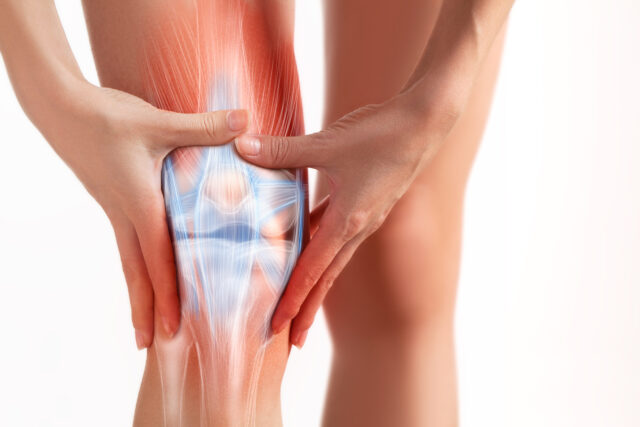
Runners Knee, also known as patellofemoral pain syndrome, is a common condition that affects people of all fitness levels — not just runners. It refers to pain around the front of the knee, often caused by irritation where the kneecap (patella) meets the thigh bone (femur).

Although it’s frequently experienced by runners, this condition can also affect cyclists, hikers, and anyone engaged in activities that involve repetitive knee movement.

Runners Knee
Non-Surgical Runner’s Knee Treatment

Identifying the problem early and managing it with the right care can make a significant difference in your comfort and mobility. Moreover, delaying treatment can sometimes lead to longer recovery times.

Why Do People Experience Runners Knee?

The knee is a complex joint that handles a tremendous amount of stress during walking, running, and jumping. Whenever the kneecap moves out of its natural alignment, or the surrounding muscles are weak, excess pressure builds on the joint.

As a result, individuals who frequently engage in sports like running, football, basketball, or even regular climbing stairs, are at greater risk. Likewise, people who have flat feet or improper running form can also experience runner’s knee.

Interestingly, it’s not just athletes who face this issue. Office workers sitting for extended hours with bent knees or individuals kneeling frequently for work may also develop this type of knee pain.

What Causes Runners Knee?

Runner’s Knee can occur due to several factors. Recognising these causes can help you avoid aggravating the condition:

  • Overuse: Repetitive stress from activities like running, cycling, and squatting can irritate the knee joint.
  • Muscle Imbalance: Weak thigh or hip muscles may cause poor kneecap alignment.
  • Improper Foot Mechanics: Flat feet or poorly fitted footwear can increase strain on the knee.
  • Sudden Increase in Activity: Quickly ramping up the intensity or duration of your workouts.
  • Direct Injury: A fall or knock to the kneecap can trigger symptoms.

Keeping these causes in mind can help you adjust your lifestyle and activity habits to protect your knees.

What Are the Common Symptoms of Runner’s Knee?

The signs of Runner’s Knee often develop gradually. You might first notice a dull ache in the front of the knee, which becomes more noticeable during certain activities. Common symptoms include:

  • Pain around or behind the kneecap, especially when walking upstairs, squatting, or running.
  • A grinding or clicking sensation when moving the knee.
  • Discomfort after sitting for long periods with bent knees.
  • Swelling around the knee in some cases.

If these symptoms persist for more than a few days or interfere with your routine, it’s advisable to seek medical attention promptly.

How Do You Relieve Runner’s Knee?

The good news is that most cases of Runner’s Knee can be effectively managed without surgery. We adopt a personalised and evidence-based approach tailored to each individual’s needs.

Non-Surgical Management Options:

  • Activity Modification: Reducing or avoiding activities that trigger pain while staying active in other safe ways.
  • Stretching and Strengthening Exercises: Focused exercises to improve flexibility and strengthen muscles supporting the knee.
  • Footwear Advice: Ensuring the use of more suitable shoes or considering orthotics to correct flat feet.
  • Manual Therapy: Soft tissue techniques and joint mobilisation to improve movement and relieve discomfort.
  • Anti-Inflammatory Medications: Short-term use to reduce pain and swelling.
  • Ultrasound-Guided Injections: In selected cases, to ease inflammation and promote healing.

Jumpers Knee Treatment in Singapore

Jumpers Knee can significantly affect your ability to stay active and enjoy daily life. With timely care and a structured, non-surgical approach, most individuals can return to their favourite activities without lingering pain.

Ligament injury pain
Jumpers Knee Pain

What Is Jumpers Knee?

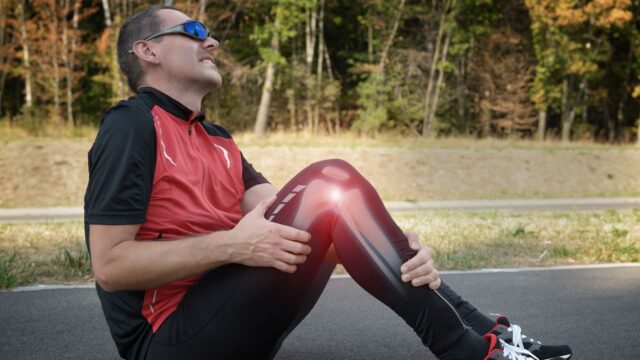
Jumper’s Knee, medically known as patellar tendinopathy, is a common overuse injury that affects the tendon connecting your kneecap (patella) to your shinbone. Although the name suggests it mainly affects athletes who jump, this condition can occur in anyone involved in sports or activities requiring frequent knee bending, jumping, or running.

In fact, Jumper’s Knee often develops gradually, making it important to recognise early warning signs and seek timely care. Fortunately, many cases improve with conservative, non-surgical treatments, especially when addressed early.

Why Do People Experience Jumpers Knee?

The knee joint endures significant stress during both sports and daily movements. As a result, people who engage in activities like basketball, volleyball, football, and running face a higher risk. However, Jumper’s Knee isn’t limited to athletes alone. Office workers, gym enthusiasts, and individuals who climb stairs frequently may also develop this condition.

When the patellar tendon becomes irritated or overstrained, small tears may occur, leading to inflammation and pain. Without prompt care, the discomfort may worsen over time and interfere with simple activities like walking, squatting, or standing for extended periods.

What Causes Jumper’s Knee?

There are several factors that contribute to the development of Jumper’s Knee. Understanding these causes can help you take preventive measures and protect your knees:

  • Repetitive Strain: Activities involving frequent jumping, running, or sudden changes in direction put continuous pressure on the patellar tendon.
  • Sudden Increase in Training Intensity: Rapidly increasing the frequency or difficulty of physical activity without proper conditioning.
  • Muscle Imbalance or Weakness: Weak thigh and hip muscles can alter the movement patterns of the knee, increasing stress on the tendon.
  • Improper Footwear: Worn-out or unsupportive shoes fail to absorb shock, transmitting more impact to the knees.
  • Tight Hamstrings and Quadriceps: Limited flexibility in these muscles can increase tension on the patellar tendon.

By identifying these contributing factors early, you can make adjustments to your activity habits and footwear choices to reduce your risk.

What Are the Common Symptoms of Jumpers Knee?

Jumper’s Knee symptoms typically begin with mild discomfort and can gradually become more severe if left unaddressed. Common symptoms include:

  • A sharp or aching pain at the front of the knee, particularly just below the kneecap.
  • Pain during or after physical activities involving jumping or running.
  • Discomfort when walking downstairs, squatting, or kneeling.
  • Tenderness and swelling around the lower part of the kneecap.
  • Stiffness in the knee joint, especially after long periods of inactivity.

If you notice these signs, it’s advisable to consult a medical professional for an early assessment.

How Do You Relieve Jumper’s Knee?

Most cases of Jumper’s Knee respond well to non-surgical, evidence-based treatments. At Dr Dinesh Clinic in Singapore, we offer a personalised, structured care approach focused on relieving pain, restoring function, and preventing recurrence.

Non-Surgical Management Options:

  • Activity Modification: Reducing or temporarily avoiding high-impact activities like running or jumping while maintaining gentle, pain-free exercises.
  • Therapeutic Exercises: Targeted strengthening and stretching routines to improve muscle balance, flexibility, and patellar tendon resilience.
  • Footwear and Orthotic Support: Switching to supportive sports shoes or custom orthotics can reduce knee stress.
  • Manual Therapy: Soft tissue mobilisation and joint techniques to relieve discomfort and improve movement.
  • Anti-Inflammatory Medications: Short-term use to manage inflammation and reduce pain.
  • Ultrasound-Guided Interventions: In suitable cases, image-guided injections can be considered to help reduce pain, inflammation and encourage healing.
  • Shockwave Therapy: Focused shockwave therapy can stimulate the injured area for better progress.

Tennis Elbow Treatment

Tennis Elbow Treatment in Singapore
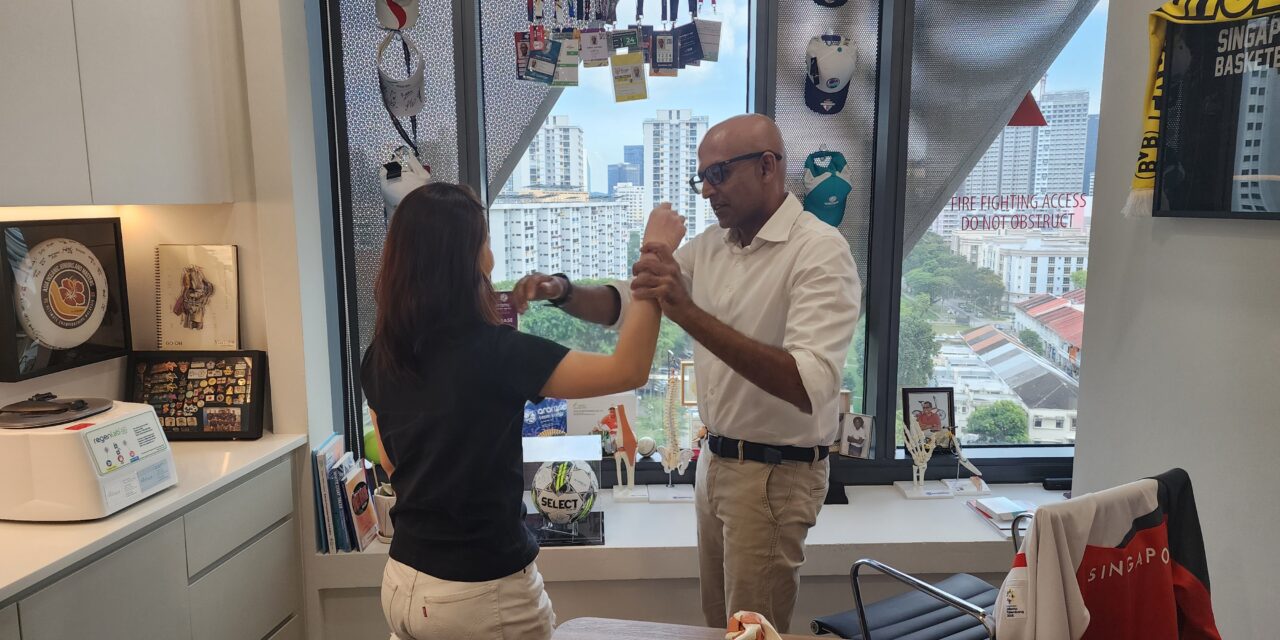
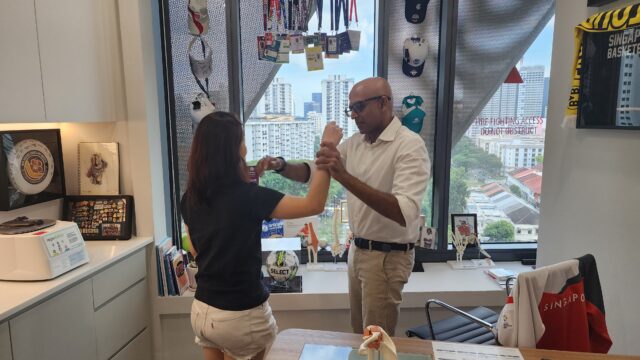
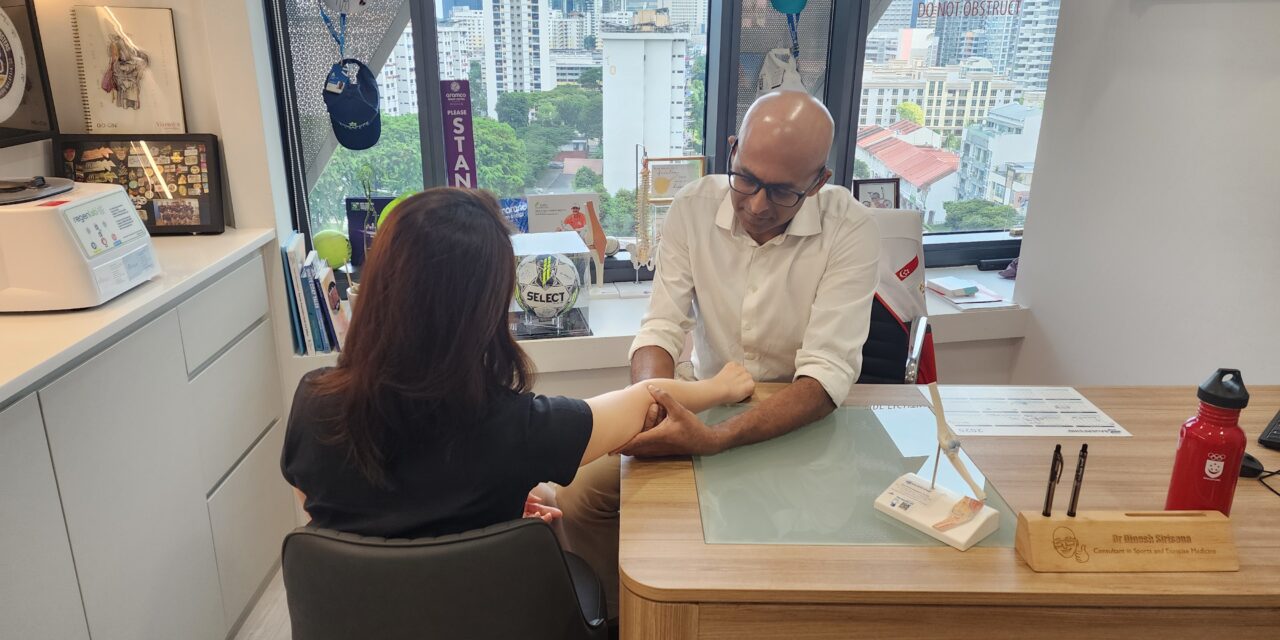
Dr Dinesh Treatment on Tennis Elbow

Common condition for Tennis elbow affects people who repeatedly use their forearm muscles. It often causes pain and tenderness on the outer part of the elbow, making daily tasks difficult.

What is Tennis Elbow?

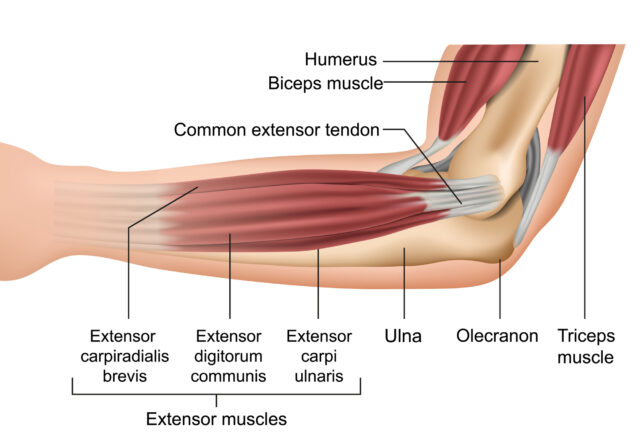
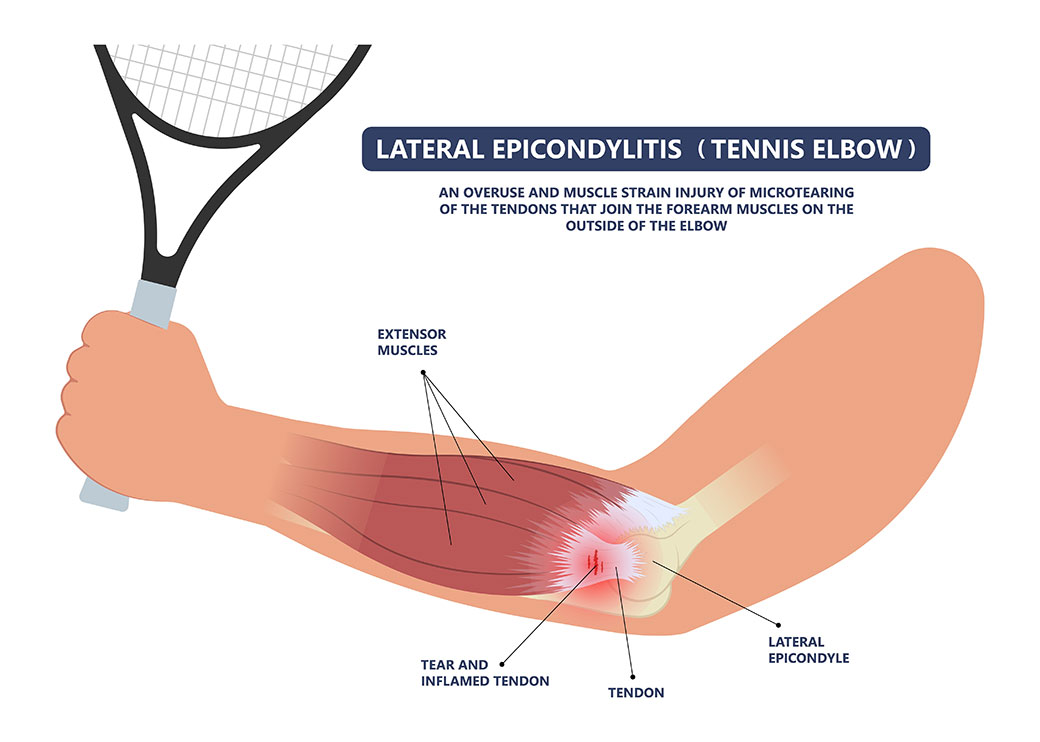
A Tennis elbow, or lateral epicondylitis, a painful condition caused by overuse of the forearm muscles. Although it’s named after a sport, anyone who performs repetitive arm, elbow, or wrist movements can develop it. Simple activities like typing, lifting, gardening can strain the tendons around the elbow.

It results from tiny tears in the tendon fibres, leading to pain and inflammation. Discomfort usually worsens when gripping objects, lifting items, or twisting the forearm.

Why Do People Experience Tennis Elbow?

While this condition is famously associated with tennis players, it affects a wide range of people in different occupations and hobbies. Individuals in manual jobs like carpentry, plumbing, painting, and chefs commonly develop tennis elbow due to frequent arm and wrist movements.

People who engage in activities like badminton, squash, or golf may also experience this issue. Additionally, repetitive computer use or frequent lifting of heavy objects can lead to similar strain on the tendons. It’s essential to recognise the early signs and address them promptly.

Common areas affected include:

  • Outer part of the elbow (most typical)
  • Forearm muscles and tendons
  • Grip strength in the hand and wrist

Tennis Elbow (Lateral Epicondylitis) - Dr Dinesh in Singapore

What Causes Tennis Elbow, and What Are the Symptoms?

The Causes:
  • Overuse of the forearm muscles
  • Repetitive wrist and arm motions
  • Tendon strain from sports or occupational tasks
  • Poor technique in racquet sports or manual work
  • Sudden increase in activity intensity

It’s worth noting that tennis elbow doesn’t usually occur overnight. Strain on tendons builds gradually, symptoms often appear after weeks or even months of repetitive movement.

Common Symptoms:
  • Pain or burning sensation on the outer elbow
  • Weak grip strength
  • Stiffness in the elbow joint
  • Difficulty in lifting or holding objects
  • Discomfort that worsens with wrist movements

Discomfort may radiate from the elbow down the forearm and even affect the wrist in more severe cases.

How Do You Relieve Tennis Elbow?

Available Treatment Options:

Targeted Rest and Activity Modification: Resting the affected arm and adjusting movement patterns to reduce strain.

Medical Interventions: Anti-inflammatory medications may be prescribed to help manage pain.

Ultrasound-Guided Injections: This precise technique helps deliver medication directly to the inflamed tendon area.

Platelet-Rich Plasma (PRP) Therapy: A regenerative approach using the patient’s own blood components to aid tendon healing, applied in line with local medical regulations.

Tenex therapy: A minimally invasive procedure that helps with healing

Structured Rehabilitation Programmes: Custom exercises to strengthen the forearm muscles and improve flexibility.

Supportive Bracing: A forearm strap or elbow brace can help reduce pressure on the tendon.


FAQ: Frequently Asked Questions About Tennis Elbow

What is tennis elbow?

Tennis elbow, also known as lateral epicondylitis, is a condition involving pain on the outer part of the elbow. It commonly related to overuse of the forearm muscles and tendons.

Tennis Elbow causes?

It often associated with repetitive hand or wrist movements, such as gripping, lifting, typing, or sports activities like tennis. It may also develop from work related overuse or strain.

Common symptoms?

Common symptoms may include pain on the outer elbow, tenderness, weaker grip strength, and discomfort when lifting objects or extending the wrist.

Only caused by playing tennis?

No. Although it called tennis elbow, the condition may also occur in individuals who perform repetitive arm movements, including office work, manual labour, or other sports activities.

How to checked?

Tennis elbow usually checked through a physical examination and discussion about daily activities. In some cases, imaging such as ultrasound or MRI may be used to better understand the condition.

What non surgical options may be discussed?

Depending on clinical findings, options that may be discussed include activity modification, physiotherapy, strengthening exercises, bracing, and other non surgical approaches to support recovery.

Can this affect daily activities?

Yes. it affect gripping, lifting, and everyday arm movements, which make tasks such as carrying items, typing, or using tools more difficult.

When should someone consider a medical evaluation?

Medical evaluation may be considered when elbow pain persists, worsens, or affects daily activities despite rest or basic self care measures.

Biceps Tendinopathy Treatment

Biceps Tendinopathy Treatment in Singapore

What Is Biceps Tendinopathy?

Biceps tendinopathy a condition affecting the tendon that connects the biceps muscle to the bones in your shoulder and elbow. Over time, this tendon can become irritated, inflamed, or degenerated due to overuse or repetitive strain. This condition especially common among athletes, gym-goers, manual workers, and anyone performing frequent lifting or overhead activities.

Key areas typically affected include:

  • The front of the shoulder (long head of biceps tendon)
  • The upper arm
  • The front of the elbow

If left untreated, biceps tendinopathy can lead to ongoing discomfort and limit your ability to lift, carry, or perform sports.

What Causes Biceps Tendinopathy?

It usually develops gradually. Often, it’s linked to repetitive overhead motions or heavy lifting, which place stress on the biceps tendon.

Common causes include:

  • Overuse injuries: Common in swimming, tennis, baseball, CrossFit, and manual workers.
  • Poor posture: Hunched or forward-rounded shoulders can increase tendon strain.
  • Sudden increases in activity: Increasing workout intensity or duration too quickly can lead to overload of the tendon
  • Age-related degeneration: Tendons lose elasticity and strength with age.
  • Shoulder instability: This can lead to added strain on the biceps tendon.

Symptoms

It’s important to recognise the signs early, as timely management can prevent worsening of the condition.

Typical symptoms include:

  • Dull ache or sharp pain at the front of the shoulder
  • Pain when lifting objects or reaching overhead
  • Weakness in the arm
  • Tenderness when pressing on the biceps tendon
  • A clicking or snapping sensation in the shoulder during movement
  • Pain with moving the palm of the hand so it faces upwards

In some cases, pain may radiate down the upper arm, making daily tasks uncomfortable.

How Can Biceps Tendinopathy Be Treated?

Fortunately, many cases can improve with non-surgical treatments.

Treatment options include:

  • Rest and activity modification: Avoiding movements that aggravate symptoms.
  • Targeted physiotherapy: Focused exercises to improve shoulder stability and tendon strength.
  • Anti-inflammatory treatments: To help reduce pain and swelling.
  • Ultrasound-guided injections: Where appropriate, these can be performed precisely to target areas of inflammation.
  • Shockwave therapy: A non-invasive option to stimulate tendon healing.
  • Progressive return-to-activity plans: Tailored programmes to safely resume sport or work.

Every treatment plan is carefully personalised based on your condition severity, lifestyle needs, and recovery goals.

FAQ: Frequently Asked Questions About Biceps Tendinopathy

What is biceps tendinopathy?

Biceps tendinopathy a condition involving irritation or degeneration of the biceps tendon, usually at the front of the shoulder or elbow. It is commonly associated with overuse or repetitive strain.

What are the common symptoms of biceps tendinopathy?

Common symptoms include:

  • Pain at the front of the shoulder or elbow
  • Tenderness along the biceps tendon
  • Weakness during lifting or pulling
  • Discomfort with overhead movements
  • Occasional clicking or tightness

How is biceps tendinopathy diagnosed?

It’s usually assessed through a clinical evaluation, including a discussion of symptoms and a physical examination. In some cases, imaging such as ultrasound or MRI may be used to better understand the tendon condition.

Can biceps tendinopathy improve without surgery?

Many cases can be managed with non-surgical care. This may include activity modification, structured rehabilitation exercises, and other supportive treatments based on clinical assessment.

What treatment options are available for bicep tendinopathy?

Management options may include:

  • Activity modification and rest
  • Physiotherapy and strengthening exercises
  • Movement and posture correction
  • Ultrasound-guided procedures (when appropriate)

Treatment plans are typically individualised based on the condition and activity level.

How long does recovery from biceps tendinopathy take?

Recovery time varies depending on the severity and duration of symptoms. Some individuals may improve within weeks, while others may require a longer period of guided rehabilitation.

When should I seek medical advice for biceps tendon pain?

It may be useful to seek medical advice if:

  • Pain persists despite rest
  • Symptoms affect daily activities or sports
  • There is ongoing weakness or reduced function

Early assessment can help guide appropriate management and recovery.

Golfers Elbow Treatment

Golfers Elbow Treatment by Dr Dinesh in Singapore

Golfers elbow is a common and treatable condition that can affect both athletes and individuals with repetitive arm movements in their daily routines. While it may start as mild discomfort, ignoring the early signs can lead to prolonged pain and restricted arm function. Fortunately, with timely care and the right non-surgical treatment approach, most people experience significant relief and a return to their regular activities.

What is Golfer’s Elbow?

Golfer’s Elbow, also known as medial epicondylitis, is a condition that causes pain and tenderness on the inner side of the elbow. Despite the name, this condition doesn’t just affect golfers. Many people involved in activities that require repetitive flexion of the wrist or arm motions, such as tennis players, weightlifters, and even office workers, can experience this issue.

If you’ve noticed discomfort, stiffness, or a weakening grip, especially when performing tasks like lifting, gripping, or shaking hands, you may be dealing with Golfer’s Elbow. Fortunately, early intervention with a sports medicine doctor can help ease the pain and prevent long-term complications.

Why Do People Experience Golfer’s Elbow?

This condition develops when the tendons attached to the inner elbow become irritated or inflamed. Continuous stress or overuse can lead to small tears in these tendons, triggering pain and swelling.

Common areas affected include:

  • The inner side of the elbow joint
  • The forearm, especially during gripping
  • The wrist, when flexing or rotating

While athletes are often prone to Golfer’s Elbow, it’s also common among people who perform repeated hand, wrist, or arm movements in their daily activities or work.

What Causes Golfer’s Elbow, and What Are the Symptoms?

Understanding the causes can help you avoid worsening the condition. Generally, it results from repetitive strain or overloading the forearm muscles.

Primary causes include:

  • Sports activities like golf, tennis, and squash
  • Weightlifting or strength training
  • Manual work in jobs involving tools or machinery
  • Office work with prolonged typing or mouse use

Common symptoms of Golfer’s Elbow:

  • Pain or tenderness on the inner elbow
  • Stiffness in the elbow joint
  • Weak grip strength
  • Numbness or tingling radiating to the fingers (usually the ring and little finger)
  • Discomfort when flexing the wrist or lifting objects

If these symptoms persist for more than a few days or affect daily activities, it’s wise to consult a qualified sports medicine doctor for an assessment.

How Do You Relieve Golfers Elbow?

Effective treatment options include:

  1. Activity Modification
    One of the first steps is identifying and reducing the activities causing the strain. By modifying your routine or adjusting techniques in sports or work, you can prevent further irritation.
  2. Targeted Rehabilitation Exercises
    A structured rehabilitation program focusing on stretching and strengthening the forearm muscles helps improve flexibility and tendon resilience.
  3. Supportive Bracing
    Wearing a counterforce brace or wrist splint may reduce strain on the tendons and ease discomfort during daily activities.
  4. Medication for Pain Relief
    Anti-inflammatory medications can temporarily relieve pain and swelling. However, it’s best to use them under medical supervision.
  5. Non-Surgical Injection Therapies
    In selected cases, may suggest ultrasound-guided treatments such as corticosteroid or platelet-rich plasma (PRP) injections, to support recovery and reduce inflammation, or TENEX therapy, to help tissue recover. These are provided within the scope of evidence-based medicine.
  6. Lifestyle and Ergonomic Advice
    Making changes to how you work, exercise, or perform daily activities can significantly reduce the risk of recurrence.

FAQ: Frequently Asked Questions About Golfer’s Elbow

What is golfer’s elbow?

Golfer’s elbow, also known as medial epicondylitis, is a common condition that causes pain and tenderness on the inner side of the elbow. It is usually related to overuse of the forearm muscles and tendons.

What causes golfer’s elbow?

Golfer’s elbow is commonly caused by repetitive movements such as gripping, lifting, or wrist flexion. It can occur in sports like golf and tennis, as well as in daily activities or work that involve repeated arm use.

What are the symptoms of golfer’s elbow?

Common symptoms include:

  • Pain or tenderness on the inner elbow
  • Stiffness in the elbow joint
  • Weak grip strength
  • Discomfort when lifting or holding objects
  • Pain that may extend into the forearm

How is golfer’s elbow diagnosed?

Golfer’s elbow is usually diagnosed through a clinical assessment, including a review of symptoms and a physical examination. In some cases, imaging such as ultrasound or MRI may be used to better understand the condition.

Can golfer’s elbow heal without surgery?

Many cases of golfer’s elbow can be managed with non-surgical care. This may include activity modification, structured rehabilitation exercises, and other supportive treatments recommended by a healthcare professional.

What treatment options are available for golfer’s elbow?

Management options may include:

  • Activity modification and rest
  • Physiotherapy and strengthening exercises
  • Supportive braces or straps
  • Ultrasound-guided procedures (when appropriate)

Treatment plans are usually tailored based on the individual’s condition and activity level.

How long does golfer’s elbow take to improve?

Recovery time can vary depending on the severity of the condition and the level of activity. Some individuals may notice improvement over weeks, while others may require a longer period with guided rehabilitation.

When should I seek medical advice for elbow pain?

It may be helpful to seek medical advice if:

  • Elbow pain persists despite rest
  • Symptoms affect daily activities or sports
  • There is ongoing weakness or stiffness

Early assessment can help guide appropriate management and support recovery.

Nerve Pain Treatment in Singapore

Nerve pain can be a distressing and disruptive condition, affecting many people in Singapore and around the world. Unlike typical muscle or joint pain, nerve pain often feels sharp, burning, or like electric shocks. In some cases, it can radiate along a nerve pathway and lead to numbness, tingling and weakness.

Nerve pain in back due to repetitive strain

Why Do People Experience Nerve Pain?

The nervous system is responsible for sending messages between your brain, spinal cord, and the rest of your body. When nerves become compressed, irritated, or damaged, it can trigger pain signals. These are often different from muscle aches or joint discomfort.

Common areas where people experience nerve pain include:

  • Lower back, where it may radiate to the hips, legs, or feet (commonly known as sciatica)
  • Neck and shoulders, which can affect the arms and hands
  • Wrist and hands, duet to nerve compression in conditions like carpal tunnel syndrome
  • Face, in cases such as trigeminal neuralgia
  • Chest and abdomen, especially following surgery or injury

Nerve pain can occur suddenly or develop gradually over time. Without proper care, it may interfere with work, sleep, and quality of life.

What Causes Nerves Pain, and What Are the Symptoms?

Several conditions can lead to nerve pain. Understanding the cause is essential because it guides effective treatment and management.

Common causes of nerves pain include:

  • Nerve compression: Caused by herniated discs, bone spurs, tight muscles or scar tissue. pressing on nerves
  • Injuries: Accidents, falls, or sports injuries can damage nerves directly or indirectly.
  • Post-surgical effects: Scar tissue from operations can sometimes affect nearby nerves.
  • Chronic conditions: Diabetes, arthritis, and infections may contribute to nerve damage.
  • Repetitive movements: Jobs or sports requiring constant, repetitive actions may irritate nerves over time.

Typical symptoms experienced with nerve pain are:

  • Burning, tingling, or numb sensations
  • Sharp, stabbing, or shooting pain
  • Sensitivity to touch or temperature changes
  • Weakness in affected muscles
  • Radiating pain moving from one area to another

Although the symptoms can vary from person to person, seeking timely professional advice ensures early relief and prevents worsening of the condition.

How Do You Ease Nerve Pain?

Assessment

Using musculoskeletal ultrasound imaging, we can identify nerves and assess the area where pain is originating.  Dynamic assessments can also be made to check for nerve compression or tethering.

Non-surgical options to ease discomfort include:

  • Activity adjustments: Modifying movements or daily routines to reduce strain on affected areas.
  • Safe medication use: When appropriate, medications that are proven to relieve nerve discomfort can be prescribed.
  • Targeted physiotherapy: Specialised rehabilitation programs aim to improve nerve mobility, reduce inflammation, and strengthen surrounding muscles.
  • Nerve blocks or injections: In specific cases, approved nerve injections may offer temporary pain relief to help with movement and recovery.
  • Posture and ergonomic advice: Correcting poor posture and workplace setups often makes a significant difference in managing nerve pain.