Disc and Joint Pain Treatment in Singapore

Disc and joint pain affects people of all ages and activity levels. It can occur suddenly or develop gradually over time, often affecting the neck, middle and lower back. When left unmanaged, this discomfort can interfere with everyday activities and reduce overall quality of life.

Lower back disc pain affecting daily activities

We focus on accurate diagnosis, personalised treatment, and guidance to help patients move better and feel more comfortable, without unnecessary procedures.

Experience Disc and Joint Pain?

Both discs and joints play crucial roles in keeping the body mobile and balanced. Spinal discs act as cushions between the bones (vertebrae) of the spine, while the joints allow smooth, controlled movements between various levels. When these structures are damaged, irritated, or worn down, pain and stiffness often follow.

Common areas where people experience disc & joint pain include:

  • The neck (due to prolonged computer or phone use, leading to disc bulges, degeneration, or joint inflammation)
  • The mid back (due to poor posture or incorrect technique with exercise, leading to stiffness in joints and reduced mobility)
  • The lower back (due to sudden lifting or repetitive use, leading to muscle spasm, limitation in movement and chronic disability)
  • The pelvis (commonly due to sacroiliac joints, this can lead to pain with sitting, shooting pain along the legs and pain with standing)

Understanding the cause of pain is essential, as it allows targeted, better management that improves mobility and reduces discomfort.

What Causes Disc and Joint Pain, and What Are the Symptoms?

Disc and joint pain can result from a variety of factors. Some issues develop gradually through wear and tear, while others happen after sudden injuries or overuse.

Common causes of disc & joint pain include:

  • Degenerative changes: Discs can wear down over time, causing conditions such as disc bulges, herniations, or spinal stenosis.
  • Joint inflammation: Conditions like arthritis or repetitive strain injuries may irritate joints, leading to swelling and discomfort.
  • Injuries: Accidents, falls, or sports-related incidents can damage discs or joints.
  • Postural strain: Poor posture during work or daily activities can put uneven stress on the spine and joints.
  • Overuse: Repeated, high-impact movements can wear out joint surfaces or cause disc problems.

Symptoms often experienced with disc and joint pain include:

  • Localised pain in the affected area
  • Stiffness and restricted movement
  • Pain radiating to nearby regions (e.g., down the leg in sciatica)
  • Numbness or tingling sensations in some cases
  • Muscle weakness, particularly with nerve involvement

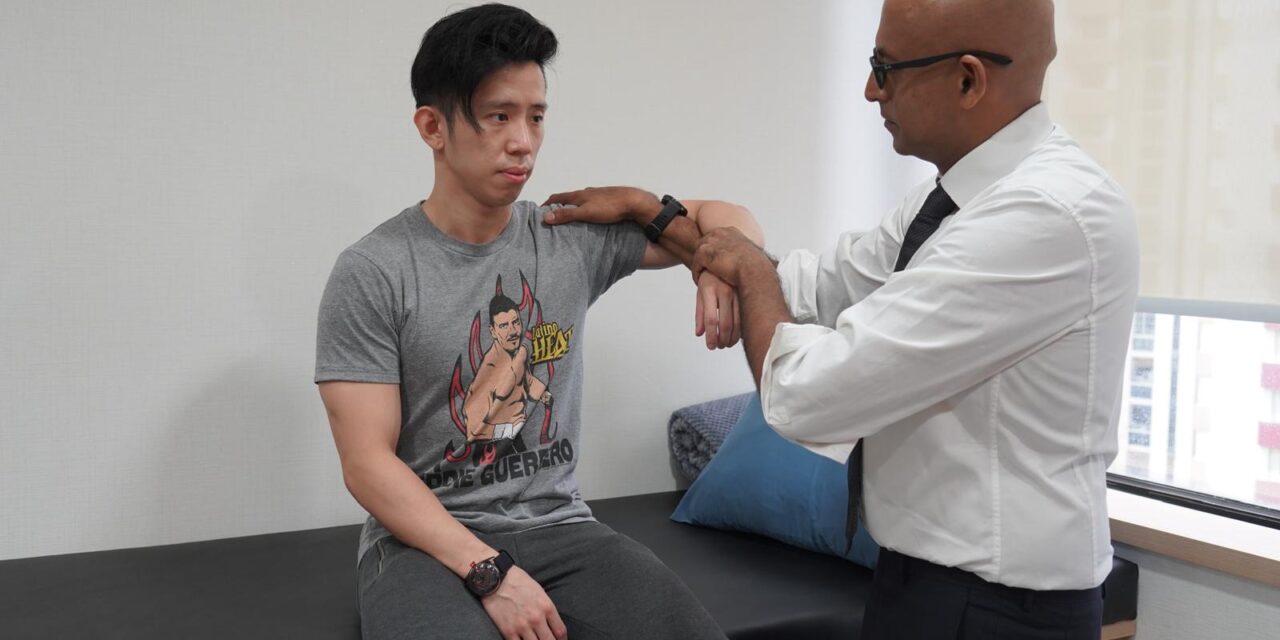
As symptoms can vary depending on the location and severity of the problem, a thorough clinical assessment is recommended before deciding on a treatment plan.

How Do You Ease Disc and Joint Pain?

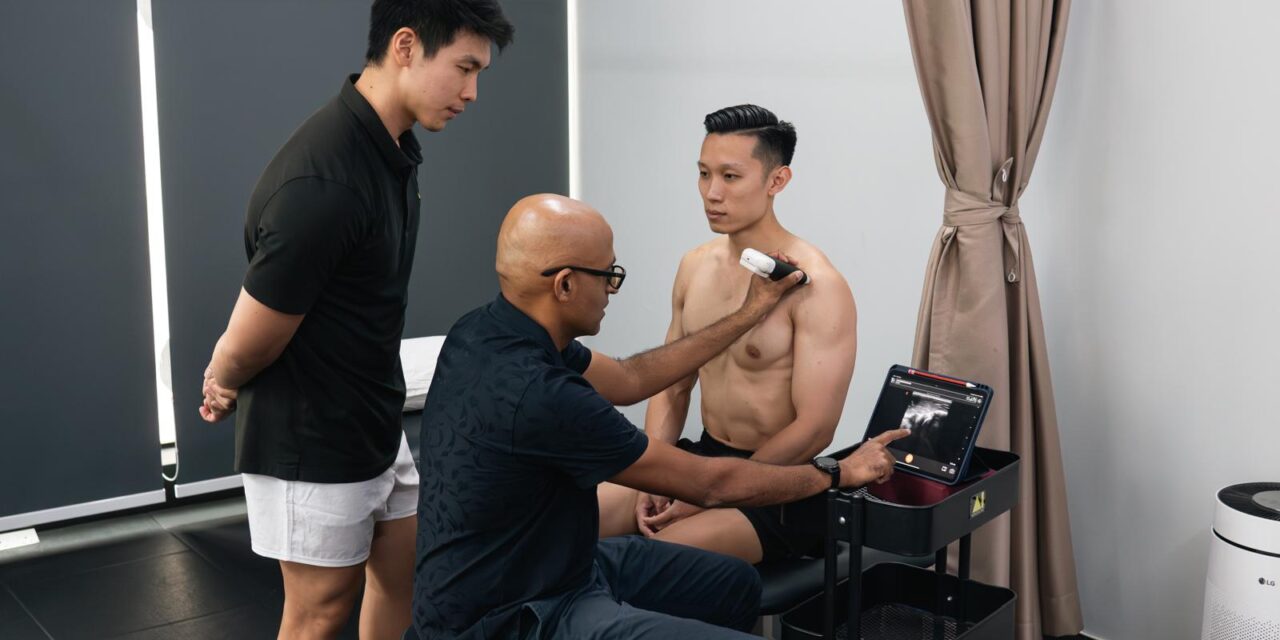
At our clinic, we focus on medically approved, non-invasive solutions for most cases of disc and joint pain. We combine clinical evaluation with real-time ultrasound imaging when needed, ensuring precise diagnosis and appropriate care.

Common treatment approaches include:

  • Activity modification: Adjusting work and exercise routines to reduce strain on affected areas.
  • Pain management strategies: Safe medication options or non-invasive therapies may be recommended to relieve discomfort.
  • Targeted physiotherapy: Personalised rehabilitation programs help restore strength, improve posture, and regain mobility.
  • Joint, nerve and disc injections: When necessary, safe, evidence-based injections can reduce inflammation and improve movement.
  • Ergonomic advice: Improving workplace setups and posture habits can prevent symptom recurrence.
Ligament Injuries Treatment in Singapore

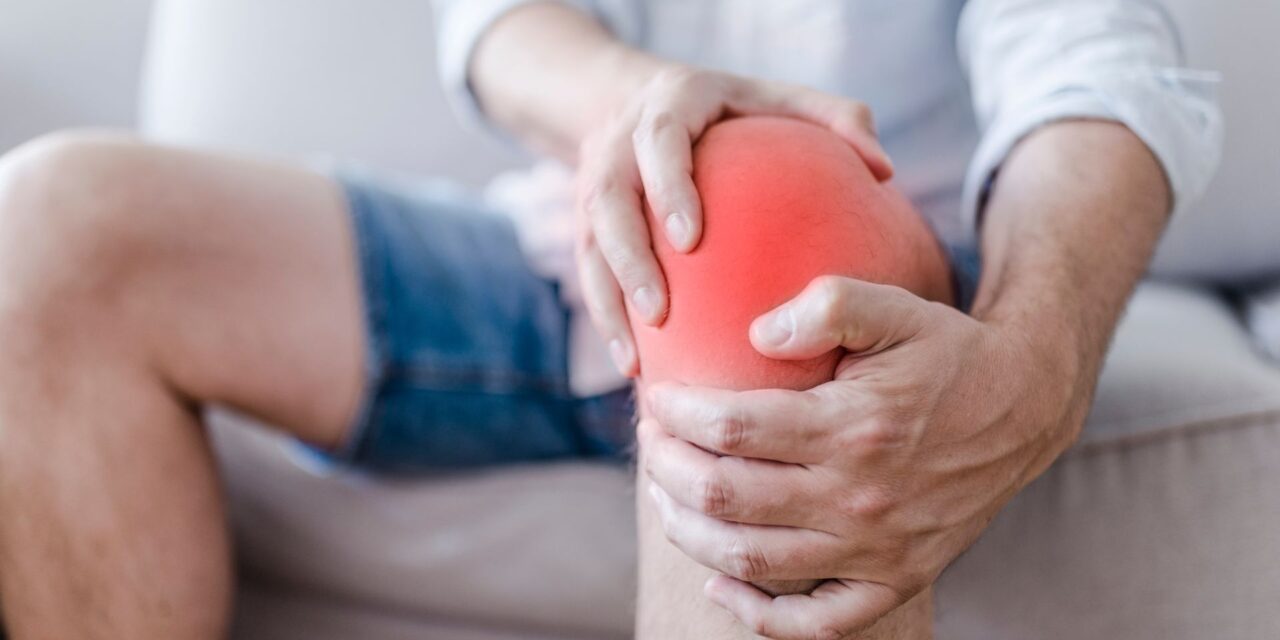
Ligament injuries are a common cause of joint pain and instability, especially in active individuals and sports enthusiasts. These injuries affect the tough, elastic tissues that connect bones and stabilise joints. When ligaments are overstretched or torn, they can lead to swelling, pain, and restricted movement.

Ligament injury pain
Ligament Injuries Treatment Singapore

At our clinic in Singapore, Dr. Dinesh Sirisena offers safe, medically approved, and non-surgical treatments for ligament injuries. By focusing on accurate diagnosis and evidence-based care, our goal is to help patients recover safely and return to their normal activities with confidence.

Why Do People Experience Ligament Injuries Pain?

Ligaments play a vital role in maintaining joint stability by connecting bones together. They allow for controlled joint movement while preventing excessive motion. When a ligament is injured, the joint becomes unstable, and this can lead to persistent discomfort and functional limitations.

People commonly experience ligament injuries pain in areas such as:

  • The knee (e.g., anterior cruciate ligament (ACL), medial collateral ligament (MCL))
  • The ankle (e.g., lateral ankle ligament sprain)
  • The shoulder (e.g., acromioclavicular (AC) joint ligament injuries)
  • The wrist (e.g., scapholunate ligament injury)

Left untreated, these injuries can affect daily activities and increase the risk of future joint problems. Therefore, early assessment and appropriate care are essential.

What Causes Ligament Injuries Pain, and What Are the Symptoms?

Ligament injuries typically occur due to sudden, forceful movements or accidents. Sports-related incidents, falls, or even everyday mishaps can place excessive strain on a ligament, causing it to stretch or tear.

Common causes of ligament injuries include:

  • Twisting movements while the foot or hand is fixed in place
  • High-impact forces during sports such as football, basketball, or tennis
  • Improper landing from a jump
  • Direct trauma to a joint
  • Overuse or repetitive stress on a joint

Typical symptoms associated with ligament injuries are:

  • Sharp pain at the site of injury
  • Swelling and bruising within hours
  • Difficulty moving the affected joint
  • A feeling of looseness or instability in the joint
  • Popping or snapping sensation at the time of injury

Since these symptoms can overlap with other joint conditions, it’s important to seek a professional assessment for accurate diagnosis.

How Do You Relieve Ligament Injuries Pain?

At our clinic, we prioritise non-surgical, medically approved treatments for most ligament injuries. Dr. Dinesh takes a comprehensive approach, combining real-time ultrasound imaging with clinical examination to confirm the severity of the injury and guide care decisions.

Recommended treatment options include:

  • Rest, Ice, Compression, and Elevation (R.I.C.E): This method helps reduce swelling and pain immediately after an injury.
  • Activity modification: Patients are advised to avoid movements that strain the injured ligament.
  • Supportive bracing: focussed braces or supports protect the joint and prevent further damage.
  • Physiotherapy: A tailored rehabilitation program restores joint stability, strength, and flexibility.
  • Targeted injection therapies: For cases involving significant inflammation or swelling, safe, medically approved injections may be used to manage symptoms and support recovery.
  • Surgical referral: In rare instances where the ligament is severely torn or healing is not achieved with targetted therapies, , surgical options may be discussed. This option is considered only when absolutely necessary.

Acting early can significantly improve recovery outcomes and prevent long-term joint issues. By seeking prompt care, patients typically achieve better mobility and return to their activities more comfortably.

Why Choose Dr. Dinesh for Ligament Injury Treatment?

With over 15 years of experience in sports and musculoskeletal medicine, Dr. Dinesh Sirisena is known in Singapore for his expertise in managing joint and soft tissue injuries without unnecessary surgical intervention.

Patients trust our clinic because:

  • We offer accurate, real-time ultrasound imaging for precise diagnosis.
  • Treatments are evidence-based and tailored to individual needs.
  • Non-surgical, medically approved therapies are prioritised.
  • Care is delivered in a professional, patient-centered environment.
  • Our patients consistently experience positive outcomes and recommend our services.

If you’re dealing with joint pain, swelling, or instability, it’s best not to delay care. Contact us today for a consultation and let us help you move better, without discomfort.

Meniscus Tear Treatment 

A meniscus tear is one of the most common knee injuries seen in both active individuals and older adults. This type of injury can lead to pain, swelling, and difficulty moving the joint. Fortunately, effective, non-surgical and medically approved treatments are available to help you recover safely and regain function.

Meniscus tear knee pain during sports
Low section of mature man holding tennis racket while suffering from knee pain on tennis court

Why Do People Experience Meniscus Tear Pain?

The meniscus is a C-shaped structure that cushions and stabilises the knee joint. Each knee has two menisci — one on the inside (medial meniscus) and one on the outside (lateral meniscus). They also act as shock absorbers, protecting the bones from wear and tear.

When the meniscus is torn, the cartilage can no longer distribute weight and support the knee joint effectively. As a result, people often experience:

  • Pain along the inner or outer side of the knee
  • Discomfort when squatting or bending the knee
  • Locking or catching sensations in the joint
  • Instability or the knee giving way

Without timely treatment, a meniscus tear can worsen, affecting overall mobility and quality of life.

What Causes Meniscus Tear Pain, and What Are the Symptoms?

Meniscus tears can happen during sports, sudden movements, or even routine daily activities. While athletes frequently experience this injury, anyone can be affected, especially as cartilage naturally weakens with age.

Common causes of a meniscus tear include:

  • Twisting the knee while the foot remains firmly planted
  • Sudden stops and turns during sports like football or basketball
  • Lifting heavy objects incorrectly
  • Wear and tear from repetitive movements over time
  • Age-related degeneration of the knee

Typical symptoms of a meniscus tear are:

  • A popping sensation during the injury
  • Sharp or aching pain in the knee
  • Swelling within the first 24 hours
  • Difficulty straightening or bending the knee fully
  • Stiffness or tightness in the joint
  • Feeling like the knee is unstable or might ‘give way’

If you notice these symptoms, it’s important to consult a healthcare professional for an accurate diagnosis and appropriate care.

How Do You Relieve Meniscus Tear Pain?

Managing a meniscus tear begins with a thorough assessment. At our clinic, We uses musculoskeletal ultrasound/MRI imaging to accurately evaluate the knee and confirm the diagnosis. This ensures your treatment is targeted, safe, and effective.

Available treatment options include:

  • Rest, Ice, Compression, and Elevation (R.I.C.E): Helpful for reducing swelling and discomfort immediately after the injury.
  • Activity modification: Avoiding squatting, jumping, and other activities that may aggravate the tear.
  • Physiotherapy: A tailored exercise program strengthens the muscles surrounding the knee, improving stability and reducing pressure on the meniscus.
  • Supportive bracing: Helps control knee movement and prevent further injury.
  • Targeted injection therapies: For cases with associated swelling or inflammation, safe and medically approved injection options can help manage symptoms.
  • Surgical referral: In severe or persistent cases, surgery might be recommended, though this is only suggested when conservative care is insufficient.

Medial Collateral Ligament (MCL) Injury Treatment

A medial collateral ligament (MCL) injury, you’re likely familiar with the sudden pain, limited movement and instability it can cause. The MCL is a crucial ligament in the knee that helps control movement and maintain joint stability. Injuries to this ligament are common, particularly in active individuals, athletes, and those involved in high-impact sports. Fortunately, with the right care, most people can recover well and return to their activities.

MCL injury during sports activity

Why Do People Experience Medial Collateral Ligament (MCL) Pain?

The MCL connects the thigh bone (femur) to the shinbone (tibia) and plays a critical role in controlling sideways movement and rotation of the knee. When this ligament gets injured or torn, it causes immediate discomfort, swelling, and instability in the knee.

Pain is typically felt:

  • Along the inner aspect of the knee joint
  • Along the front of the knee
  • During weight-bearing activities
  • When changing direction suddenly or twisting the knee

An MCL injury can be serious and benefits from prompt medical evaluation to prevent further damage or long-term symptoms.

What Causes Medial Collateral Ligament (MCL) Injuries, and What Are the Symptoms?

MCL injuries can happen during activities that involve rapid stops, changes in direction, or where the knee is forced outward. It’s one of the most common sports-related injuries but can also occur in everyday situations like missing a step or slipping.

Primary causes of MCL injuries include:

  • Sudden changes in movement direction
  • Incorrect landings after jumps
  • Direct collisions or falls
  • Twisting the knee while the foot is planted
  • High-impact sports like football, basketball, and skiing

Common symptoms of an MCL injury are:

  • Severe pain and swelling within the first few hours
  • Difficulty standing or walking
  • Instability or the knee ‘giving way’
  • Loss of full range of motion

If you notice these signs, it’s important to consult a medical professional promptly for an accurate diagnosis and to avoid aggravating the injury.

How Do You Relieve Medial Collateral Ligament Pain?

Treatment options often depend on the severity of the injury, your lifestyle, and activity goals. Not every MCL injury requires surgery, and many can recover well with non-invasive options.

Available treatments include:

  • Rest, Ice, Compression, and Elevation (R.I.C.E): Essential in the early phase to reduce swelling and pain.
  • Activity modification: Avoiding movements or sports that may worsen the injury.
  • Physiotherapy: Focused exercises improve strength, flexibility, and knee control.
  • Bracing: Provides added stability to the knee during recovery.
  • Targeted injection therapies: Performed under ultrasound guidance for precise treatment of associated conditions like swelling or inflammation.
  • Surgical referral: In cases of complete tears or instability.

Elbow Pain Treatment Relief

Elbow pain from sports
Arm injury during tennis practice, concept of tennis injuries

Dealing with elbow pain? This common issue can affect anyone, from athletes to office professionals and even retirees. Whether it starts suddenly or develops over time, elbow pain can make everyday tasks difficult and uncomfortable. At our Singapore clinic, we offer non-surgical, evidence-based treatments to help relieve elbow pain and get you back to the activities you love.

Why Do People Experience Elbow Pain?

The elbow is a vital joint that connects your upper arm to your forearm. It allows bending, straightening, and rotating movements. Because of this constant use, it’s highly prone to injuries and overuse conditions.

Elbow issues can be felt:

  • On the outer part of the elbow (lateral)
  • On the inner side of the elbow (medial)
  • At the back of the elbow
  • Around the forearm muscles near the elbow joint

Understanding where the pain occurs is important for proper treatment. For example, pain on the outer side often points to tennis elbow, while inner elbow pain may suggest golfer’s elbow.

What Causes Elbow Conditions, and What Are the Symptoms?

Elbow pain can result from a variety of causes. Some injuries are sudden, while others develop gradually through repetitive activities. Identifying the cause early helps avoid complications and long-term discomfort.

Common causes of elbow conditions include:

  • Tennis elbow (lateral epicondylitis): Caused by overuse of the forearm muscles, leading to pain on the outer elbow.
  • Golfer’s elbow (medial epicondylitis): Similar to tennis elbow but affects the inner side.
  • Bursitis: Inflammation of small fluid-filled sacs (bursa) that cushion the elbow joint.
  • Arthritis: Degeneration of the joint cartilage, resulting in stiffness, pain, and swelling.
  • Tendonitis: Inflammation of tendons surrounding the elbow, usually from repetitive strain.
  • Fractures or dislocations: Injuries from falls or accidents can lead to sharp, sudden pain and restricted movement.
  • Nerve compression: Conditions like cubital tunnel syndrome involve nerve pressure that causes tingling or numbness in the arm and hand.

Common symptoms of elbow pain include:

  • Pain when lifting or gripping objects
  • Swelling and tenderness around the elbow
  • Stiffness and reduced range of motion
  • A dull ache during rest
  • Tingling or numbness extending to the hand
  • Weak grip strength

If these symptoms persist, it’s advisable to seek medical care for an accurate diagnosis and effective treatment.

How Do You Relieve Elbow Pain?

Treatment options include:

  • Rest and activity modification: Reducing strain on the elbow is essential in the early stages.
  • Physiotherapy: A structured programme improves flexibility, strength, and joint function.
  • Non-surgical treatments: Ultrasound-guided procedures, performed under strict clinical protocols, provide targeted relief.
  • Support devices: Elbow braces or straps help reduce strain on affected tendons.
  • Lifestyle advice: Adjusting workplace ergonomics and activity habits prevents further stress on the elbow.bg

FAQ: Frequently Asked Questions About Elbow Pain

1. What is elbow pain?

Elbow pain refers to discomfort or pain around the elbow joint, which may involve the tendons, ligaments, muscles, or joint structures. It can occur gradually or suddenly depending on the underlying cause.

2. What are common causes of elbow discomfort?

Common causes of elbow pain may include overuse injuries such as tennis elbow lateral epicondylitis, golfer’s elbow medial epicondylitis, tendon strain, repetitive movements, sports injuries, or joint inflammation.

3. What symptoms are commonly associated with elbow discomfort?

Symptoms may include pain during gripping or lifting, tenderness around the elbow, stiffness, reduced range of motion, and discomfort during repetitive arm movements.

4. How is elbow evaluated?

Evaluation typically involves a clinical consultation, physical examination, and review of activity history. Where appropriate, imaging such as ultrasound, X ray, or MRI may be used to assess the elbow joint and surrounding soft tissues.

5. Is elbow pain only related to sports activities?

No. While elbow pain is commonly associated with sports, it may also occur due to work related repetitive tasks, prolonged computer use, manual labour, or daily activities involving repeated arm movements.

6. What non surgical management options may be discussed for elbow pain?

Depending on the clinical findings, management options that may be discussed include activity modification, physiotherapy, structured rehabilitation exercises, bracing, and other non surgical approaches aimed at supporting joint function.

7. Can elbow pain affect daily activities?

Yes. Elbow pain may affect gripping strength, lifting ability, and arm movement, which can impact tasks such as carrying objects, typing, or participating in sports and exercise.

8. When should someone consider a medical evaluation?

A medical evaluation may be considered when elbow pain persists for several weeks, worsens over time, limits daily activities, or does not improve with rest or basic conservative measures.

Ankle Pain Treatment

Dr Dinesh diagnosing patient ankle pain

Ankle pain? You’re not alone.

Many people experience ankle discomfort at some point in their lives. Whether it’s a sudden twist, overuse injury, or persistent ache, ankle pain can disrupt your daily routine and active lifestyle. At our Singapore clinic, we focus on non-surgical, evidence-based treatments designed to help you move comfortably again.

Why Do People Experience Ankle Conditions?

The ankle is a complex joint that connects the foot to the lower leg, allowing movement and bearing weight. Because of this, it’s highly prone to injuries and conditions affecting the bones, ligaments, tendons, and muscles. Ankle conditions can occur suddenly after an injury or develop gradually over time.

Common areas of ankle conditions include:

  • Front of the ankle (anterior)
  • Side of the ankle (medial and lateral)
  • Back of the ankle (posterior)
  • Top of the foot near the ankle joint

Understanding where your ankle pain is located helps determine its underlying cause and appropriate treatment.

What Causes Ankle Pain?

Ankle pain has many possible causes, ranging from mild sprains to more serious conditions. Some of the most common causes include:

  • Ankle sprains: These occur when the ligaments supporting the ankle stretch or tear. It often happens when you accidentally twist your ankle.
  • Tendon injuries: Conditions like Achilles tendinitis or peroneal tendonitis are caused by overuse, often in runners or athletes.
  • Osteoarthritis: This condition affects the cartilage within the joint, leading to pain and stiffness, especially after periods of rest.
  • Bursitis: Inflammation of the fluid-filled sacs (bursa) can cause swelling and discomfort around the ankle.
  • Plantar fasciitis: Though it starts in the foot, this can radiate discomfort to the ankle area.
  • Fractures: Broken bones in the ankle can result in intense pain and swelling.

Other contributing factors include wearing improper footwear, repetitive stress from sports, or underlying health conditions such as gout.

Common Symptoms of Ankle Conditions

It’s important to recognise the symptoms early, as prompt care can prevent further injury. Some signs to look out for include:

  • Pain when bearing weight
  • Swelling around the ankle joint
  • Stiffness or reduced range of motion
  • Bruising or tenderness
  • Popping or snapping sound during injury
  • Persistent ache after activity
  • Numbness or tingling

If you notice these symptoms, it’s best to consult a medical professional for a proper diagnosis.

How Do You Relieve Ankle Pain?

Treatment starts with identifying the exact cause of the pain. At our clinic, we uses musculoskeletal ultrasound imaging for accurate, real-time assessments. This ensures that treatments target the exact problem area.

Depending on the diagnosis, we may recommend:

  • Rest, Ice, Compression, and Elevation (RICE) in the early stages
  • Physiotherapy to improve strength, flexibility, and balance
  • Non-surgical interventions such as ultrasound-guided injections using approved substances
  • Customised exercise programmes tailored to your recovery needs
  • Supportive footwear advice and ankle bracing when necessary

Are You having with Knee Pain?

Knee pain is one of the most common musculoskeletal complaints affecting people of all ages. Whether you’re a young athlete, a busy professional, or an active senior, this can interfere with your daily activities and quality of life.

Knee Pain

Why Do People Experience Knee Pain?

Knee pain may occur suddenly due to injury or gradually because of overuse or degeneration. The pain can varyfrom sharp, shooting discomfort when climbing stairs to a dull ache after prolonged sitting or with exercise.

Common areas where knee pain occurs:

  • Front of the knee (patellar region)
  • Inside of the knee (medial knee)
  • Outside of the knee (lateral knee)
  • Back of the knee (posterior knee)
  • Knee joint and surrounding ligaments

Understanding the source of your pain is the first step toward effective treatment.

What Causes Knee Pain, and What Are the Symptoms?

There are many potential causes of knee discomfort, each with its own set of symptoms. An accurate diagnosis ensures that the right treatment can begin immediately.

Common Causes of Knee Discomfort Include:

  • Ligament injuries (e.g. ACL or MCL tear)
  • Meniscus tears
  • Knee osteoarthritis
  • Patellar tendinitis (jumper’s knee)
  • Runner’s knee (patellofemoral pain syndrome)
  • Bursitis
  • Overuse injuries from sports or daily activities
  • ITB syndrome
  • Post-surgical complications or trauma

Common Symptoms You Should Not Ignore:

  • Swelling and stiffness in the knee
  • Instability or feeling the knee “giving way”
  • Difficulty bending or straightening the knee
  • Clicking or popping sounds during movement
  • Pain when walking, running, or climbing stairs
  • Persistent ache even when resting

How Do You Ease Knee Pain?

Treatment depends on the underlying cause, severity of symptoms, and your lifestyle.

Treatment Options May Include:

  • Targeted physiotherapy: Customised exercises to strengthen muscles and improve joint stability
  • Activity modification: Reducing impact on the knee with low-impact alternatives
  • Bracing and orthotics: Supportive devices to offload stress on the joint
  • Medications: Anti-inflammatory medications to reduce pain and swelling
  • Ultrasound-guided injections: For precise delivery of medication to inflamed tissues
  • Minimally invasive procedures: In cases where conservative treatment is ineffective

Why Sports Screening Matters for Athletes

Sports screening

Sports Screening a proactive approach to identify potential injury risks and optimize athletic performance before problems develop. This preventive assessment benefits:

  • Competitive athletes preparing for tournaments
  • Weekend warriors returning to sports
  • Youth athletes during growth spurts
  • Fitness enthusiasts starting new training programs

Without proper screening, minor imbalances or weaknesses often lead to preventable injuries that sideline athletes for weeks or months.

Equally, if you are not performing to your optimum, we will aim to identify if there are any physiological or pathological issues limiting your performance.

What Does Sports Screening Involve?

In addition to a full medical assessment, as screening includes the following comprehensive assessment components

  1. Movement Analysis

    • Identification of muscle imbalances
    • Detection of compensatory movement patterns
    • Evaluation of joint mobility and stability
  2. Strength & Flexibility Testing

    • Core strength assessment
    • Muscle length-tension relationships
    • Sport-specific power evaluation
  3. Functional Performance Tests

    • Sport-specific movement patterns
    • Agility and coordination assessment
    • Endurance capacity evaluation
  4. Injury Risk Evaluation

    • Previous injury history review
    • Identification of high-risk movement patterns
    • Equipment and technique assessment

Common Focus Areas

  • Shoulder mechanics for throwing athletes
  • Hip/knee alignment for runners
  • Core stability for contact sports
  • Ankle mobility for running or court sports
  • Spinal mobility for rotational sports

Benefits of Sports Screening

  1. Injury Prevention

    • Early identification of risk factors
    • Correction of faulty movement patterns
    • Prevention of overuse injuries
  2. Performance Enhancement

    • Identification of limiting factors
    • Optimization of movement efficiency
    • Development of targeted training programs
    • Optimising overall health
  3. Rehabilitation Guidance

    • Safe return-to-play progression
    • Prevention of re-injury
    • Ongoing performance monitoring

Our Sports Screening Process

  1. Initial Consultation
  • Detailed sports history review
  • Discussion of goals and concerns
  1. Physical Assessment
  • Comprehensive health and movement analysis
  • Strength and flexibility testing
  • Sport-specific performance evaluation
  1. Personalized Report
  • Identification of key findings
  • Prioritized recommendations
  • Customized exercise prescription
  1. Follow-Up Planning
  • Progress tracking schedule
  • Periodic re-evaluations
  • Ongoing performance coaching

Take Control of Your Athletic Performance

Prevention is always better than rehabilitation. Limited screening slots available – book your comprehensive sports assessment today.

FAQ: Frequently Asked Questions About Sports Screening

1. What is sports screening?

Sports screening refers to a structured medical and physical assessment used to evaluate movement patterns, musculoskeletal health, and potential injury risk factors in individuals participating in sports or physical activity.

2. Why is sports assessment commonly performed?

Sports assessment commonly used to assess joint mobility, muscle strength, flexibility, and movement mechanics. The assessment helps provide information about overall musculoskeletal function before engaging in training or sports participation.

3. Who may consider a sports screening assessment?

Sports assessment be considered by athletes, recreational sports participants, students involved in competitive sports, or individuals returning to physical activity after injury or prolonged inactivity.

4. What does a sports screening assessment typically involve?

A sports assessment may include medical history review, physical examination, movement analysis, strength testing, flexibility assessment, and joint stability evaluation.

5. Can sports screening help identify potential injury risk factors?

Sports assessment help identify movement imbalances, mobility limitations, or strength differences that could influence sports performance or musculoskeletal function.

6. Is sports assessment only for professional athletes?

No. Sport assessment can also be relevant for recreational athletes, fitness enthusiasts, and individuals participating in regular exercise programs.

7. How often is screening typically performed?

The frequency of sport assessment may vary depending on training intensity, sports participation level, and previous injury history. Some individuals undergo screening before the start of a sports season or training program.

8. When should someone consider a screening assessment?

Sport assessment be considered before starting a new training program, returning to sports after injury, or when seeking a structured evaluation of physical movement and musculoskeletal health.

Understanding Labral Injuries

About Labral injury, the labrum is a crucial componene of the shoulder that helps with stabiling the joint. When this structure becomes damaged, it can lead to persistent pain and joint instability. Labral injuries frequently affect:

Labral Injury Treatment


  • Athletes involved in throwing sports (baseball, cricket)
  • Weightlifters performing overhead presses
  • Manual workers with repetitive lifting demands
  • Individuals who have experienced shoulder dislocations

Without proper care, labral tears often worsen over time, potentially leading to chronic shoulder instability and arthritis.

Causes and Symptoms of Labral Injuries

Primary Causes

  1. Acute Trauma

    • Shoulder dislocations from falls onto arms or after collisions
    • Sudden jerking motions (e.g., catching a heavy object)
    • Direct impacts during contact sports
  2. Repetitive Stress

    • Years of overhead throwing in sports
    • Weightlifting with improper form
    • Occupational overhead work (construction, painting)
  3. Natural Degeneration

    • Age-related wear of the labral tissue
    • Progressive joint laxity over time

Common Symptoms

  • Deep shoulder pain during specific movements
  • Clicking, popping, or grinding sensations
  • Feeling of instability or “looseness” in the joint
  • Weakness when lifting or carrying objects
  • Night pain that disrupts sleep
  • Limited range of motion, especially when reaching behind

Labral Injury Treatment

Our clinic specializes in evidence-based rehabilitation for labral injuries:

  1. Comprehensive Assessment

  • Detailed physical examination with special tests
  • Ultrasound or MRI imaging when needed
  • Functional movement analysis
  1. Personalized Labral Injury Treatment Plan

For Conservative Management:

  • Progressive strengthening of rotator cuff muscles
  • Scapular stabilization exercises
  • Joint proprioception training
  • Activity modification guidance

For Post-Surgical Rehabilitation:

  • Phased recovery protocol
  • Gentle range of motion exercises
  • Gradual strengthening program
  • Return-to-sport planning
  1. Advanced Treatment Options

  • Shockwave therapy to promote healing
  • Ultrasound guided interventions for pain relief for Labral Injury
  • Therapeutic taping for joint support

FAQ: Frequently Asked Questions About Labral Injury

1. What is a labral injury?

A labral injury refers to damage to the labrum, a ring of cartilage that surrounds and stabilises joints such as the shoulder or hip. The labrum helps maintain joint stability and supports smooth joint movement during physical activity.

2. What are common causes of a labral injury?

Labral injuries may occur due to sports related trauma, repetitive overhead movements, shoulder dislocation, heavy lifting, or gradual wear and tear over time. Certain activities that involve throwing, swimming, or weight training may place additional stress on the shoulder joint.

3. What symptoms may be associated with a labral injury?

Common symptoms may include deep shoulder pain, joint instability, clicking or catching sensations, reduced range of motion, and discomfort during overhead movements or lifting activities.

4. How is a labral injury evaluated?

Evaluation typically involves a clinical consultation, physical examination, and assessment of shoulder movement and stability. Where appropriate, imaging such as MRI, ultrasound, or X ray may be used to further assess the joint structures.

5. Are labral injuries common in athletes?

Labral injuries are sometimes observed in athletes who participate in throwing sports, swimming, tennis, or other activities involving repetitive shoulder motion. However, they may also occur in non athletes following trauma or joint strain.

6. What non surgical management options may be discussed for labral injuries?

Depending on the clinical assessment, management options that may be discussed include structured rehabilitation, activity modification, strengthening exercises, and other non surgical treatment approaches designed to support shoulder function.

7. Can a labral injury affect daily activities?

A labral injury may affect shoulder stability and movement, which may make tasks such as lifting objects, reaching overhead, or performing certain sports activities more challenging.

8. When should someone consider a medical evaluation for shoulder pain related to a labral injury?

Medical evaluation may be considered when shoulder pain persists, joint instability occurs, movement becomes limited, or symptoms interfere with normal daily activities or sports participation.

Understanding Frozen Shoulder (Adhesive Capsulitis)

Frozen shoulder is a condition characterised by progressive stiffness and pain in the shoulder joint. Typically, it develops gradually and progresses through three distinct phases:

  • Freezing StageInitially, pain develops gradually and is accompanied by increasing stiffness
  • Frozen StageSubsequently, stiffness becomes more pronounced, even though pain may lessen
  • Thawing StageOver time, shoulder mobility gradually begins to return

Shoulder Pain

Who Is Commonly Affected

In general, frozen shoulder most commonly affects:

  • Adults aged 40–60
  • Women, more frequently than men
  • Individuals with diabetes or thyroid conditions, who may have a 2–4 times higher risk
  • Those recovering from shoulder injuries or surgery, particularly following prolonged immobilisation

Without appropriate intervention, frozen shoulder may persist for 2–3 years. As a result, it can significantly affect quality of life and daily function, and in some cases, residual movement limitations may remain even after recovery.

Causes and Symptoms of Frozen Shoulder

Primary Causes
Idiopathic (Unknown Origin)

Most commonly, frozen shoulder develops without a clear underlying cause.
In these cases, symptoms often appear gradually and are not linked to a specific injury or event.

Secondary Causes

Alternatively, frozen shoulder may develop secondary to other conditions or circumstances, such as:

  • Prolonged immobilisation following injury or surgery
  • Diabetes mellitus, particularly when poorly controlled
  • Thyroid disorders
  • Cardiovascular disease
  • Parkinson’s disease

Contributing Factors

Additionally, several factors may increase susceptibility, including:

  • Shoulder trauma or repetitive strain
  • Prolonged poor posture
  • Certain autoimmune conditions

Common Symptoms

As the condition progresses, individuals may experience:

  • Progressive stiffness, making tasks such as brushing hair or fastening clothing increasingly difficult
  • Dull, aching pain, which is often more noticeable at night
  • Occasional sharp pain during sudden or unexpected movements
  • Significant loss of range of motion in all directions, including:
    • Limited overhead reaching
    • Difficulty reaching behind the back
    • Restricted outward rotation
  • Muscle atrophy, which may occur due to prolonged disuse

Comprehensive Assessment

First, a detailed evaluation may include:

  • Precise range-of-motion measurements
  • Pain mapping and symptom analysis
  • Functional movement assessment

Stage-Appropriate Treatment

Freezing Phase (Pain-Dominant Stage)

During this initial phase, management may focus on:

  • Pain management strategies
  • Modalities aimed at reducing inflammation
  • Activity modification guidance
  • Joint mobilisation techniques
  • Hydrodilatation, where clinically indicated

Frozen Phase (Stiffness-Dominant Stage)

As stiffness becomes the primary concern, treatment may progress to:

  • Gradual joint capsule stretching
  • Advanced manual therapy techniques
  • Therapeutic exercise programmes
  • Hydrodilatation, where appropriate

Thawing Phase (Recovery Stage)

Finally, rehabilitation may focus on:

  • Progressive strengthening
  • Functional movement retraining
  • Education on prevention and long-term shoulder care

Advanced Treatment Options

In selected cases, additional options may be discussed, including:

  • Hydrodilatation – gentle joint capsule expansion using sterile fluid
  • Therapeutic ultrasound to support tissue mobility
  • Shockwave therapy for selected chronic presentations

FAQ: Frequently Asked Questions About Frozen Shoulder

  1. What is frozen shoulder?

    Frozen shoulder, also known as adhesive capsulitis, is a condition characterised by shoulder stiffness, reduced range of motion, and pain caused by thickening and tightening of the shoulder joint capsule.

  2. What commonly contributes to frozen shoulder?

    Frozen shoulder may be associated with prolonged shoulder immobility, previous shoulder injury, surgery, postural strain, or age-related changes. In some individuals, the cause may not be clearly identifiable.

  3. What are common symptoms of frozen shoulder?

    Commonly reported symptoms include gradual onset of shoulder stiffness, difficulty lifting or rotating the arm, pain during movement, and discomfort at night, which may affect daily activities.

  4. How is shoulder pain evaluated?

    Evaluation typically involves a clinical assessment, including medical history and physical examination. Where appropriate, imaging such as X-ray, ultrasound, or MRI may be used to rule out other shoulder conditions.

  5. Is frozen shoulder the same as rotator cuff injury?

    No. Although symptoms may overlap, frozen shoulder primarily affects the joint capsule, while rotator cuff injuries involve the muscles and tendons surrounding the shoulder. Clinical assessment helps differentiate these conditions.

  6. What non-surgical management options may be discussed for shoulder pain?

    Depending on clinical findings, non-surgical options that may be discussed include physiotherapy, gentle stretching exercises, activity modification, pain management strategies, or image-guided procedures, where appropriate.

  7. Can frozen shoulder affect upper body function?

    Yes. this may limit upper body movement, making activities such as dressing, reaching, or lifting more challenging. Early evaluation may help clarify contributing factors.

  8. How frozen shoulder commonly managed over time?

    Management often involves a structured and progressive approach, including education, gradual mobility exercises, physical conditioning, and follow-up review, guided by clinical assessment.